Judge: Craig & Wendy Bluett
MCC - 2x Digitals and 2x Prints allowed. Guidelines are as per PSNZ. You can re-enter previous OPEN critiqued images.
Guidelines are as per PSNZ. This means your image can be submitted into the PSNZ competiton/salo for Natural History.
For this competition, as a MCC member uniquely you can re-enter any previous OPEN critiqued images.
The link to the PSNZ Rules are:
Also - there has been some changes to the rules. Two major changes are:
- ZOO aminals as long as not domestic
- Man-made objects if necessary for the image.
Open
Set Subject
This is a trophy topic so there are only the overall 1st, 2nd and 3rd placings. As presented at the MCC club Trophy evening on 11th August 2022, the following members were awarded:
|
Medium |
Trophy |
MCC Member awarded |
|
|
Brian Thwaites Memorial Trophy Top Natural History Print |
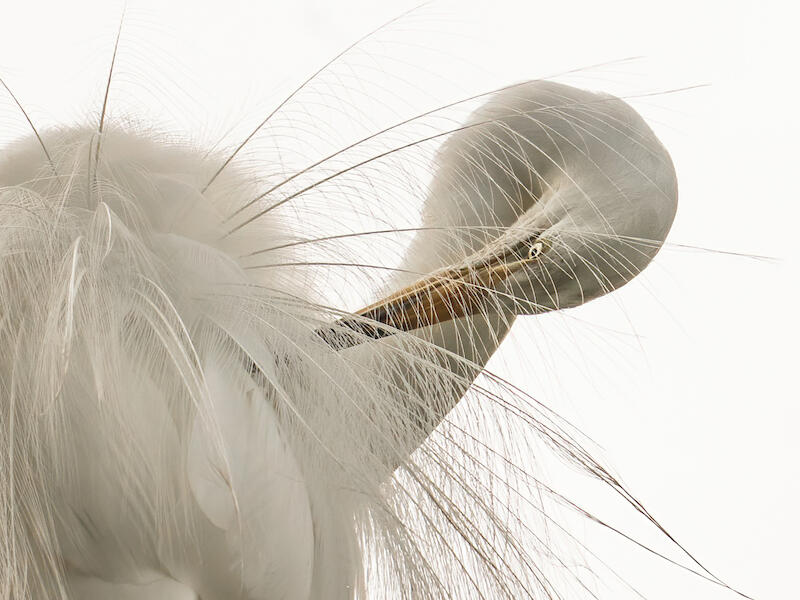
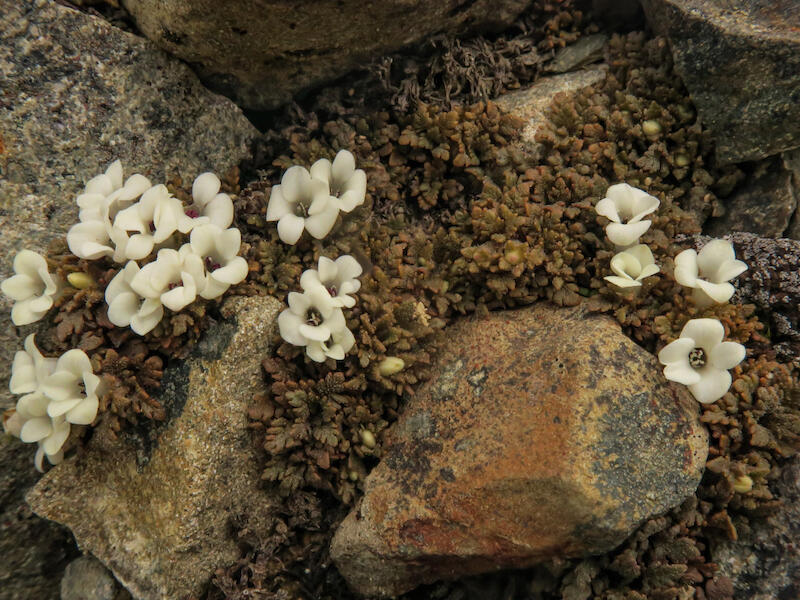
by Craig Bluett 1st Natalie Smith for Morganella compacta Judged 2nd Sue Henley - White Heron- Kotuku 3rd Trish Brown - Gannet rejoining colony |
|
Digital |
Natural History Top Digital Image |
Judged by Craig Bluett 1st Sue Henley for Grey Warbler - Riroriro 2nd Natalie Smith- Entoloma hochstetteri 3rd Trish Brown - Western Grey Squirrel |
26th May - the below critique has no 'results' - which is wrong. I am very sorry, as I only requested critique and placings. I should of asked for results (not accepted/accepted/merit/honours) as well. Because of my error, no images where being 'seen' on this critique page. So I've had to update ALL images with a MERIT results just so the images can be seen. It will not impact 'end-of-year' points. This will be rectified for next year. Once again, I'm very sorry for the error. Carol
|
C Grade - Digital |
|
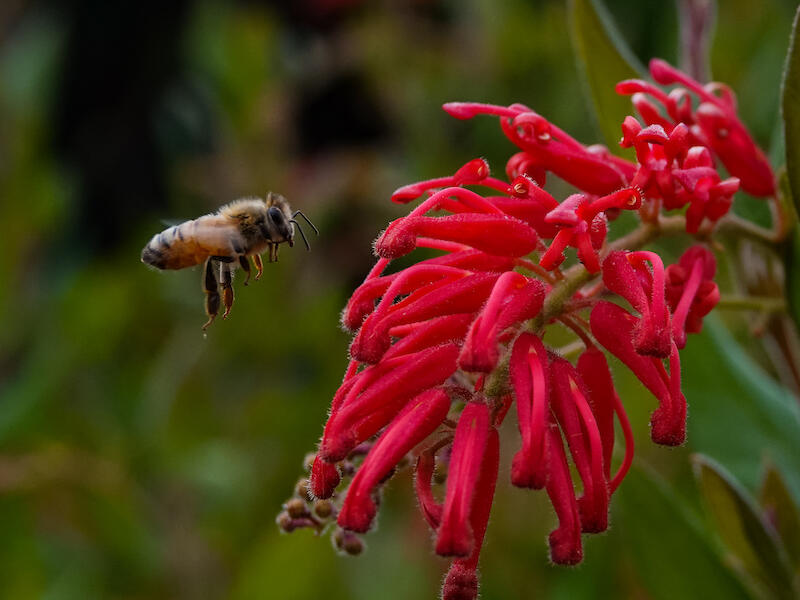
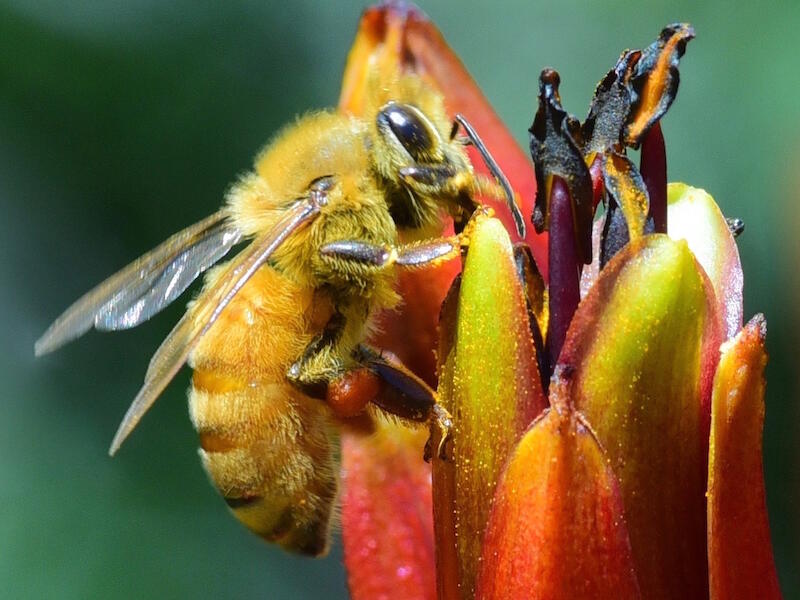
29. Anthophila + Surface texture of the flower and details like the hairs are well recorded and emphasised so effectively by the background. This successful complex nature narrative is shown clearly. |
|
B Grade |
|
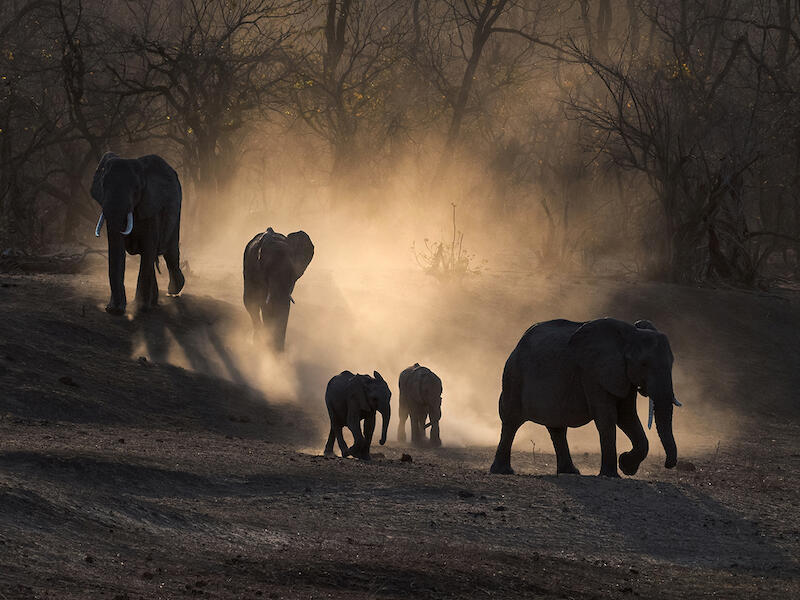
19. African Elephants at dusk +there is drama in this photograph as the train of elephants appear to walk directly towards us and then appear to miraculously veer off to the right. Through the dim light we see shadows and dust flying in this exotic setting. + careful cropping enables us to see the path the animals are following in the atmospheric environment. |
|
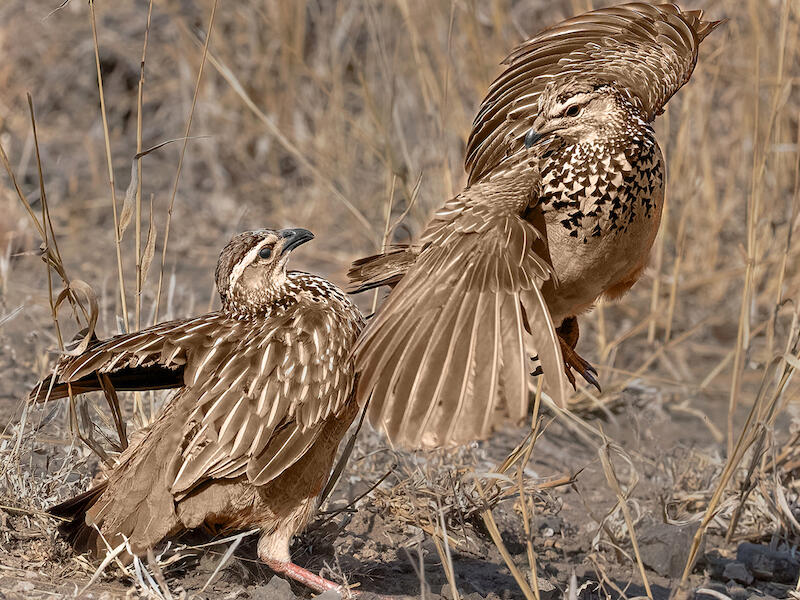
20. crested francolin + in this photograph we see a fleeting moment captured where 2 birds dramatically interact as one of them appears to leave the ground. The drama of the scene is enhanced by the bird’s splayed feathers which reveal a wide range of textures and colours. + the details evident of these moving birds is quite extraordinary |
|
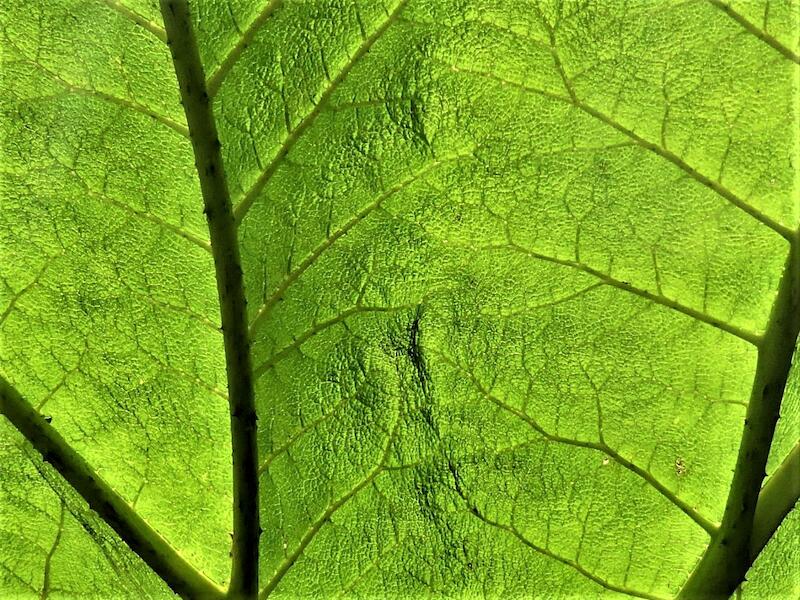
21. Gunneras’ leaves more than a metre wide. + This is a bold photograph featuring vivid colour and closely studied texture; we are given an indication of the huge size of the leaf by the close cropping. -as a viewer a feel an unsatisfied curiosity about this subject matter because I see only a part of it. |
|
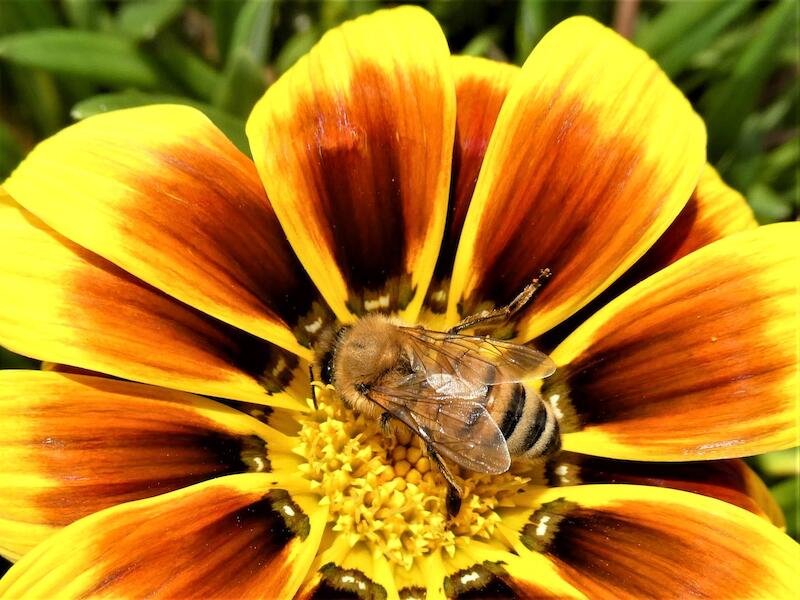
22. honeybee + wide variety of colour and texture in this fundamental natural scene of bee and flower. -slight flatness to the yellow petals is a little distracting from the lushness of the scene. |
|
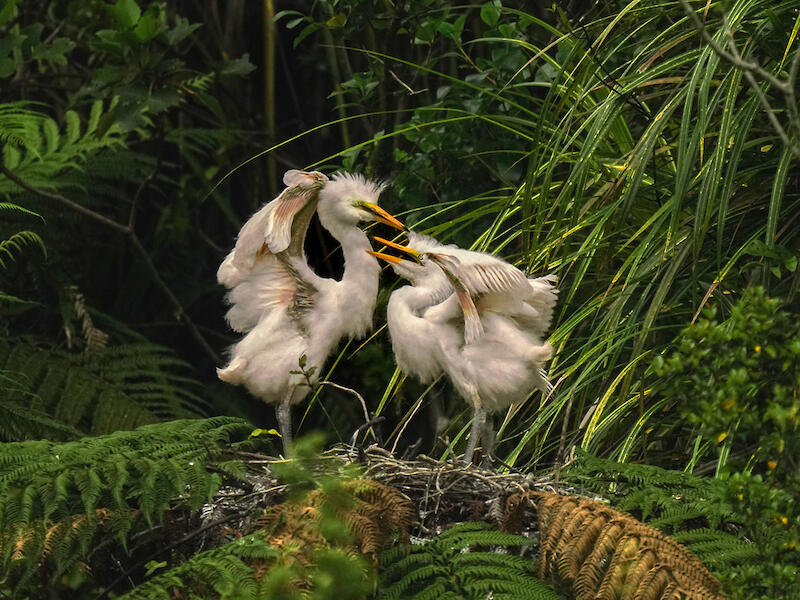
24. Egretta alba – Chicks Playing + study of the active young in their habitat. + here is a wonderful glimpse of birdlife in their natural setting. |
|
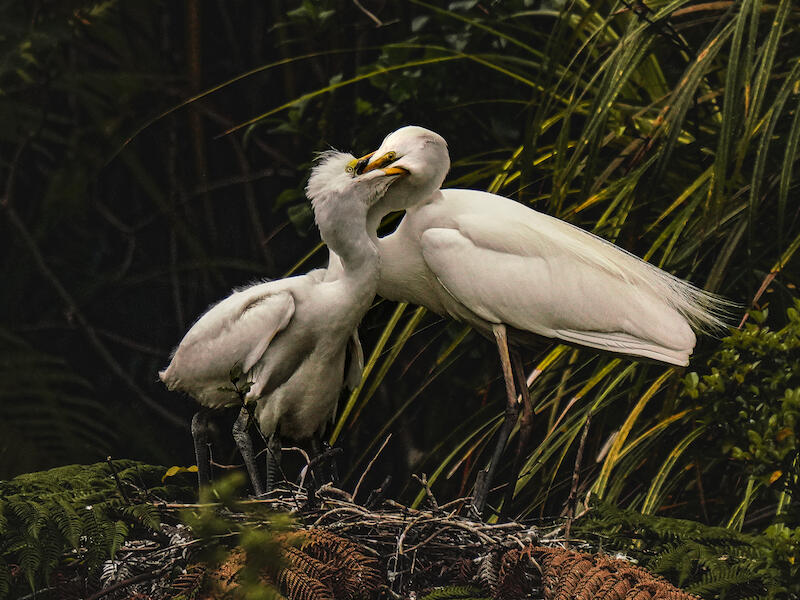
23. Egretta alba - Lunchtime + This photograph captures interesting details of egretta alba feeding. + the pale birds are shown in contrast to their dark coloured habitat -flat areas on the birds result in slight ambiguities. |
|
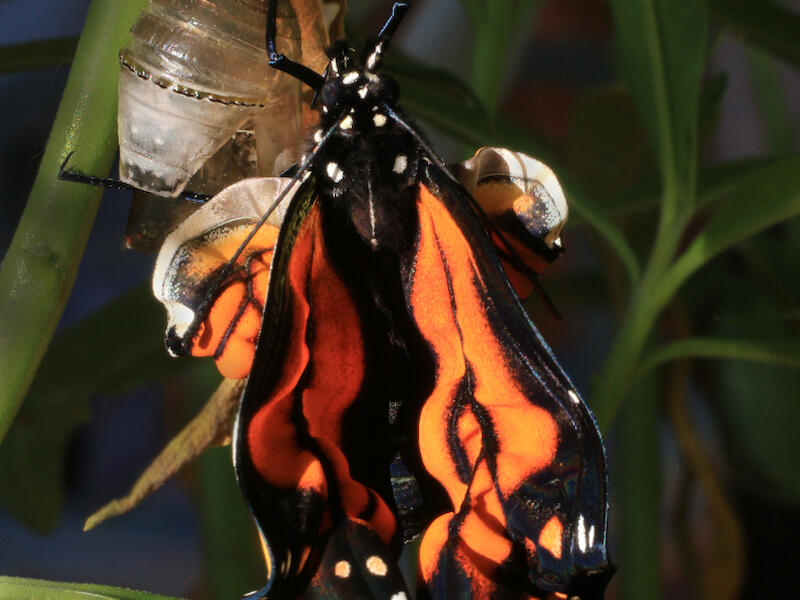
25. butterfly + the moment captured successfully as the butterfly’s tinny wings are developing. + the full event is clearly referenced with the cocoon also evident. -some of the black areas unfortunately lost some detail. |
|
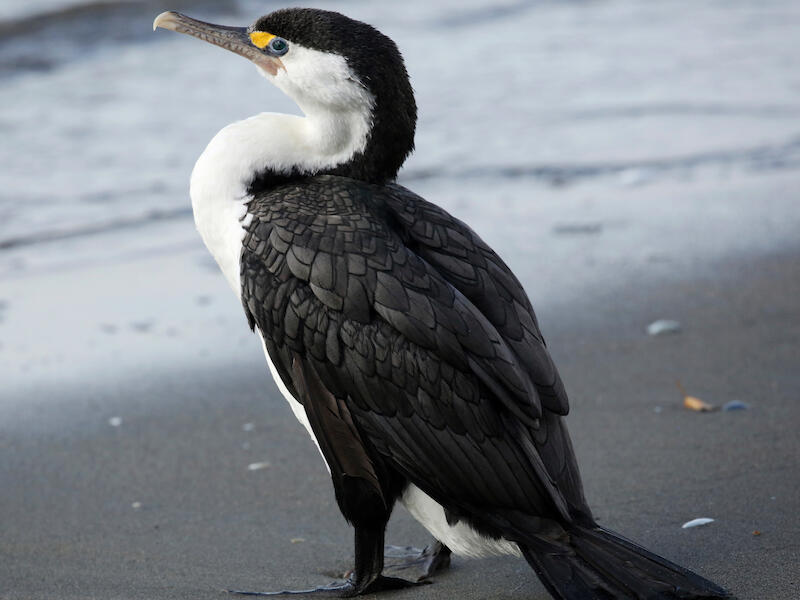
26. pied shag +Arresting details and texture evident on the darker areas; remarkable clarity of individual facets on the back of the bird. Compelling image. -possibly slightly more of the background could have been included on the left, to acknowledge the direction of the bird’s gaze. |
|
27. skylark + we see in this photograph a delightful subject sympathetically framed amidst a contrasting wall of colours. + texture of the branch is well defined and contrasts effectively with the variegated feathers. |
|
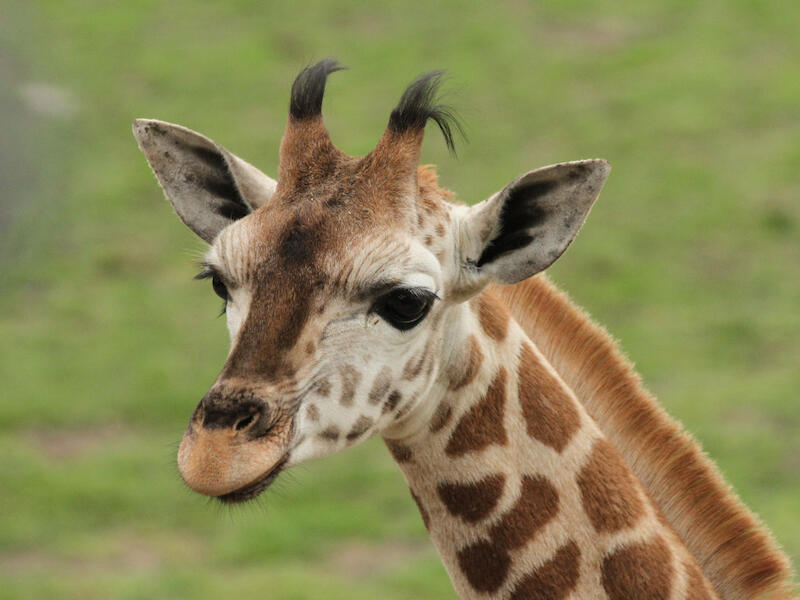
28. young giraffe + The emotive subject matter of this photograph is arresting, the fleeting glance of a young giraffe looking straight at the camera. + effective cropping gives sense of balanced to the picture. |
|
A GRADE |
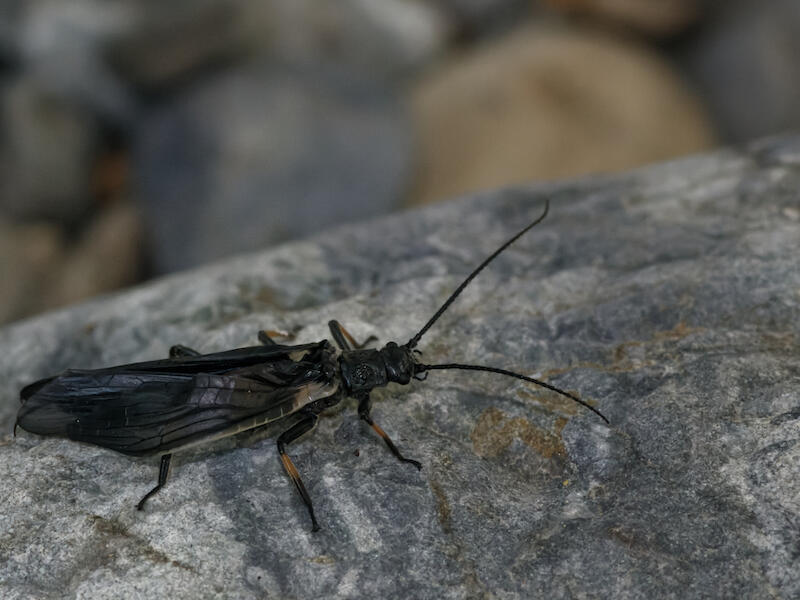
+ Contrast of textures adds to the visual interest of the image: The black shinny surface of the insect verses the soft stippled greys. + cropping is used effectively to feature the head + dominant diagonal compositional elements result in a dynamic image. -some of the definition is lost in the darker areas- which is particularly unfortunate around the head because this is the focal point of the image. |
|
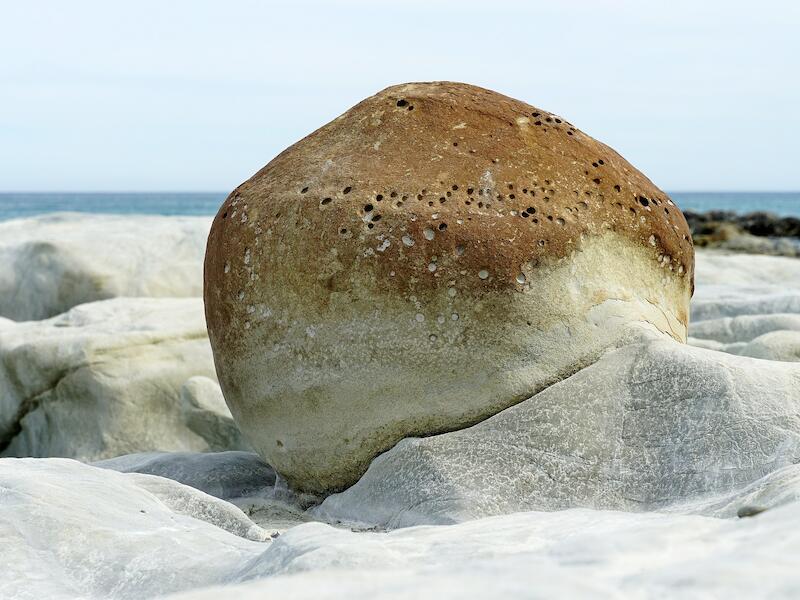
2. Boulder on Ward (Limestone concretion) + the undulating forms of the rocks have the appearance of soft organic forms, a luxurious metaphorical comparison with fabric. + effective use of compositional devices; the eye is drawn across from the left by a strong horizontal compositional line which matches up to a line on the boulder and directs the viewers gaze to a focal point on the lower right of the boulder. -foreground appears a little washed out which detracts from the main image. |
|
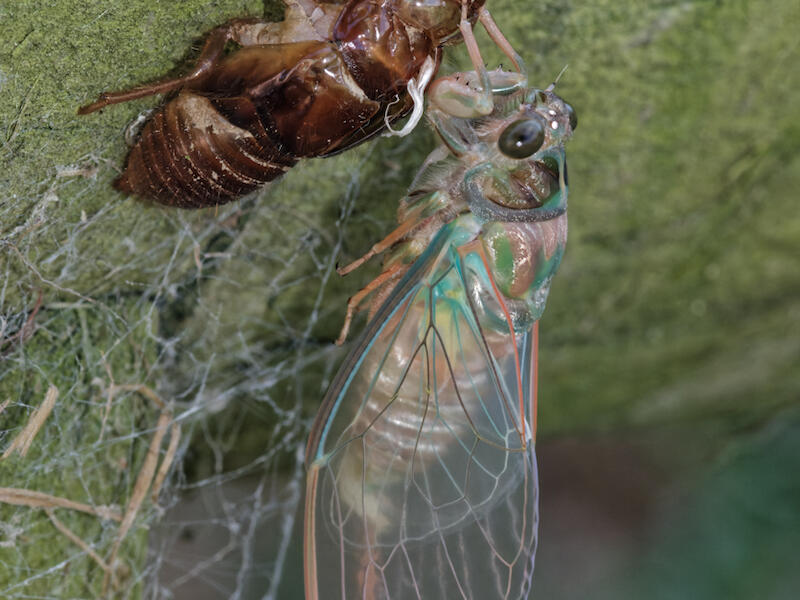
3. Chorus cicada + Luminosity of the body seem through the wings is visually interesting + the photographer has captured a vital moment in the natural insect world which is not often seen. -possibly if more of the background had been included it might have been clearer what was happening. |
|
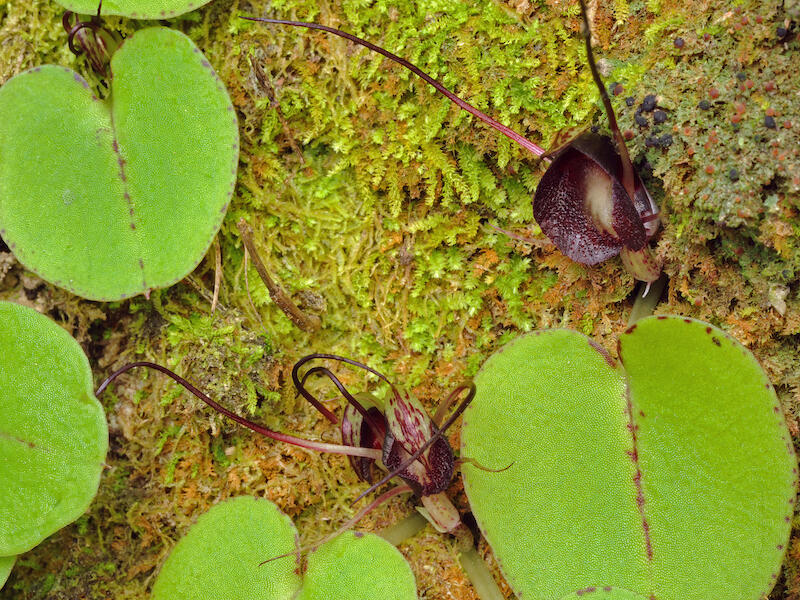
4. developing mature corybas + arresting contrasts of colour, texture, and form result in a visually compelling image -some unfortunate cropping decisions take away from the effectiveness of the photograph. -possibly more attention to depth of field could have increased the dramatic effect by making some areas recede further. |
|
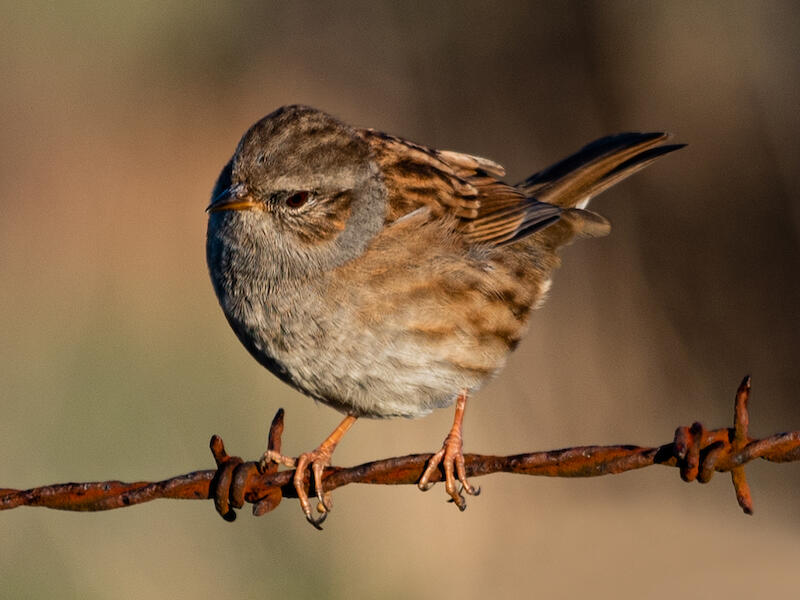
5. dunnock + subject matter has emotional impact; the way the delicate feet grip the barbs on the wire is very evocative + the tilt of the bird’s head towards the viewer and the detail on its beck add to the emotional impact -slight dullness around the eye takes away from the connection of the viewer with the subject matter. |
|
6. entoloma hochstetteri - + Striking photograph revealing a not commonly seen example of the natural world; the minute droplets on the steam of the delicate fungi help to communicate the moist atmosphere of the environment. + contrast of the colour and texture between the entoloma and the background is visually arresting + the camera angle looking up from slightly below, resulting in the capture of the delicate underside of the cap, enables us to appreciate the form more thoroughly. |
|
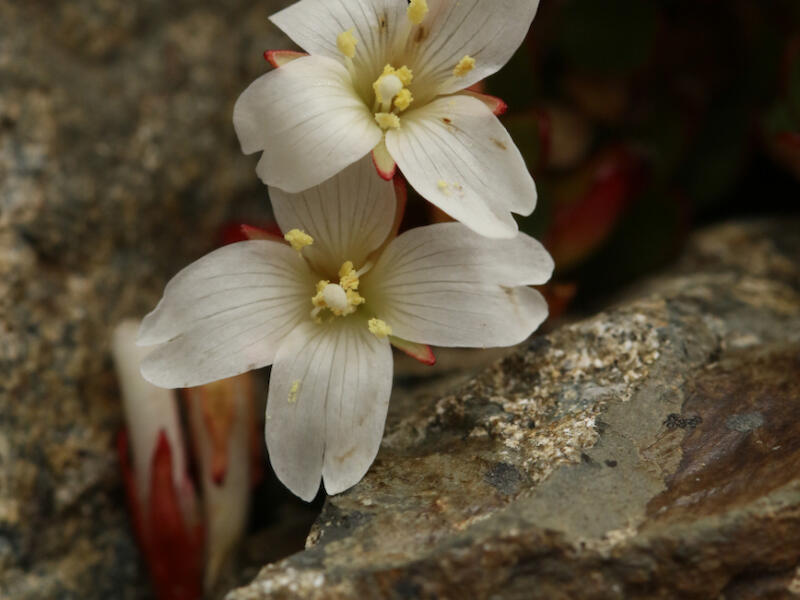
7. Epilobium rubromarginatum + the juxtaposition of the dedicate pale blooms and the hospitable rocky environment makes this photograph compelling. + the photographer has captured all the subtle details on the pale flowers, so all the petals are distinct and clearly defined. |
|
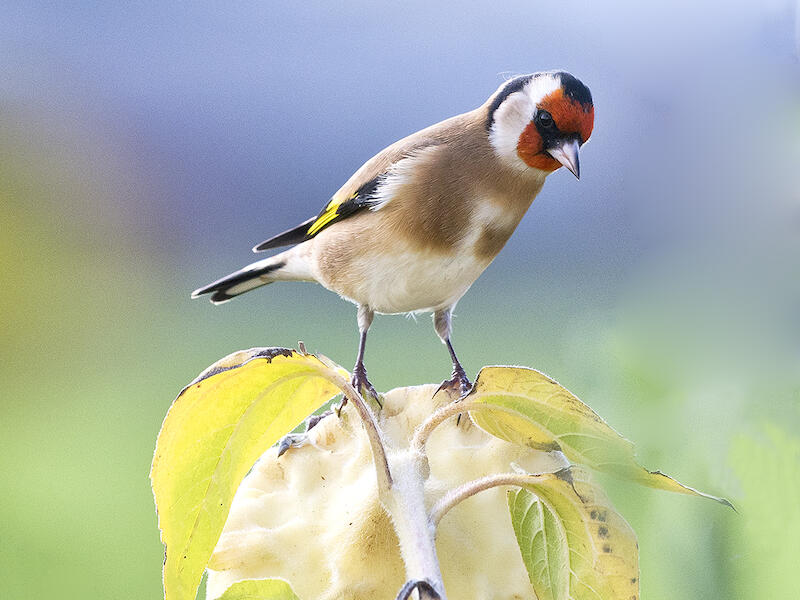
8. goldfinch + the details on the feathers and the shine around the little bird’s eye are quite remarkable. + the striking colours also help to make this a remarkable photograph, the vivid red contrasting with the pastel blues and greens of the background. -possibly cropping off a little more of the sunflower at the bottom of the picture would help the balance of the overall image- the small bird is easily visually overpowered by the large flower. |
|
9. grey-warbler - Riroriro + I cannot see anything that could be improved in the photograph. + it is a dynamic image, capturing the moment just as the bird is about to fly; there is emotional impact as well visual impact with the similarity of the shapes and textures. + the composition allows us to envisage the bird soring out into the blue space at the right of the picture. |
|
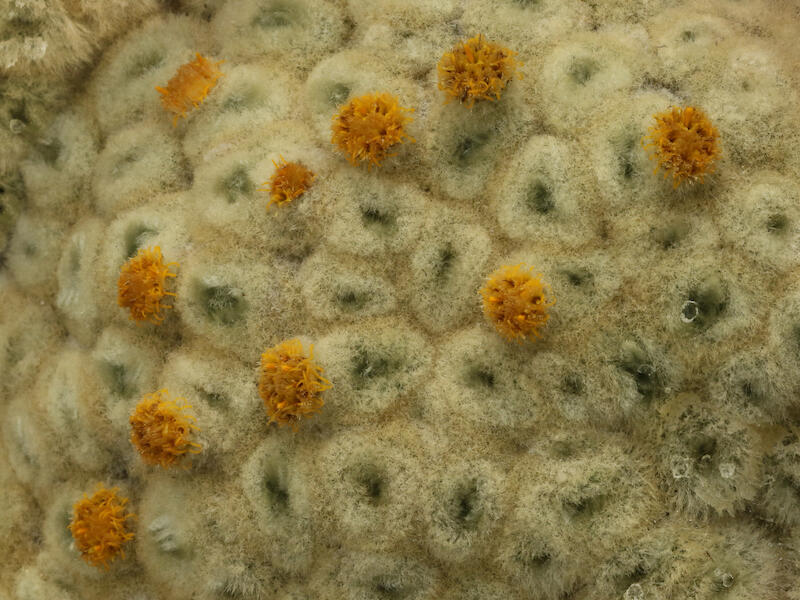
10. haastia pulvinaris + this is a visually interesting image because of the soft monochromatic forms which are punctuated by the bright orange flowers. + the striking contrast of textures also helps to make this picture compelling |
|
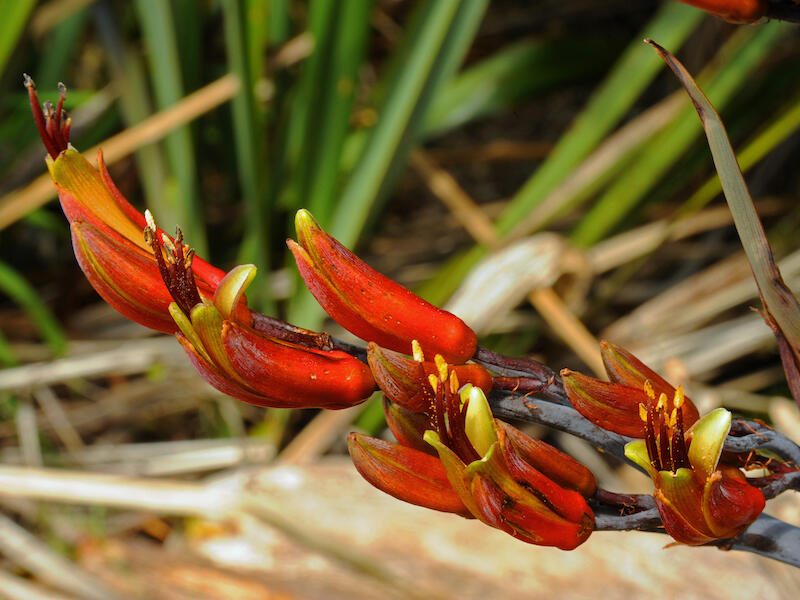
11. harakeke- flowers + the opposing diagonals in the composition and the contrast of colour between the bright red of the flowers and the green background leaves make this a dynamic photograph. -unfortunately, there seems to be a flat area right in the centre of the picture on the flax flower which detracts slightly from the wonderful vibrancy of the overall image.
|
|
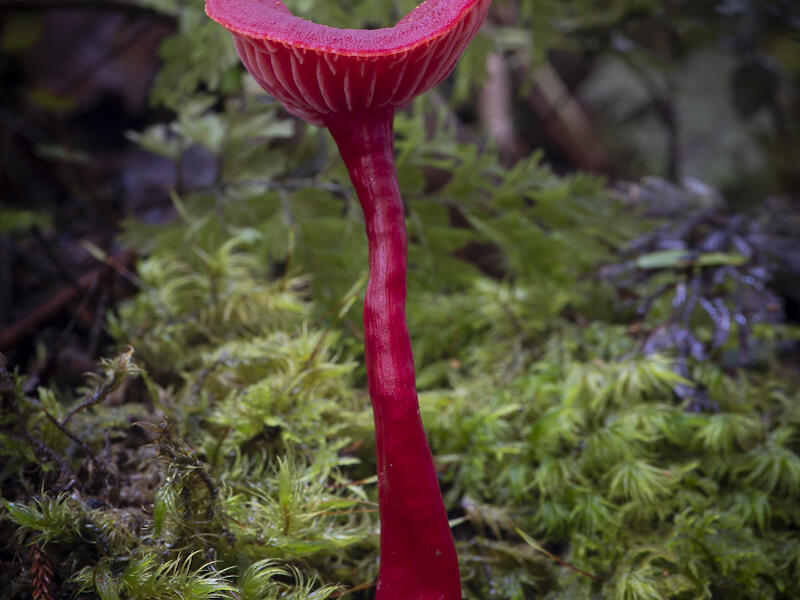
12. hygrocybe rubro-carnosa + this is a beautifully elegant photograph, showing the striking image of the pink hygrocybe against soft texture of the ferns. + the remarkable surface and shape of the hygrocybe is shown with full impact against the lush green backdrop |
|
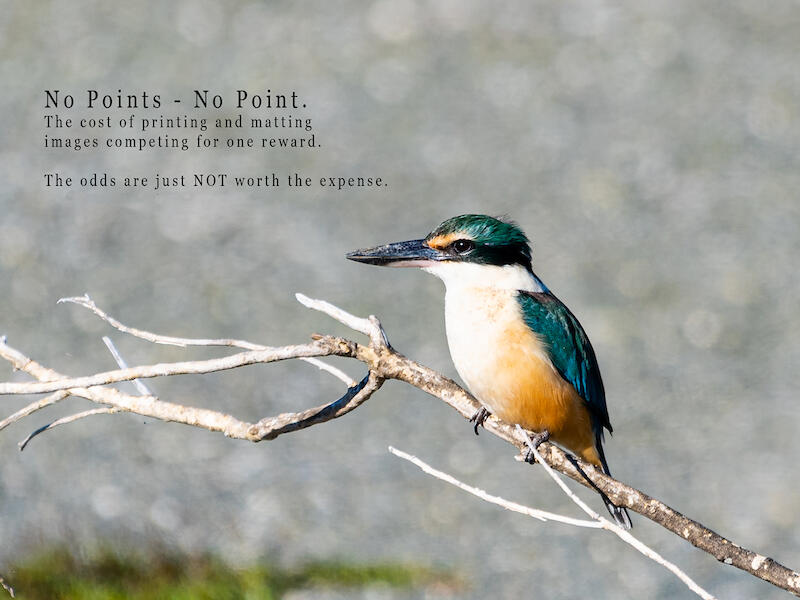
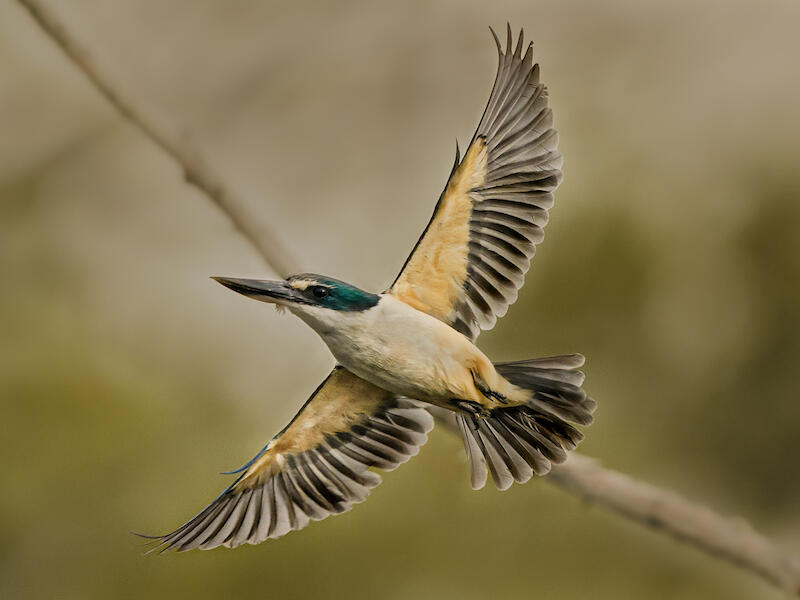
King Fisher No Points, no point Not accepted |
Stunning colour captured in this bird study. +the composition encourages our interest in the forward direction of the bird’s gaze. |
|
IMAGE ON THE SLIDESHOW but in the paxk to the judge. Sorry from Carol Kotuku Heron – DIGITAL = Not too sure where thus critique is
|
|
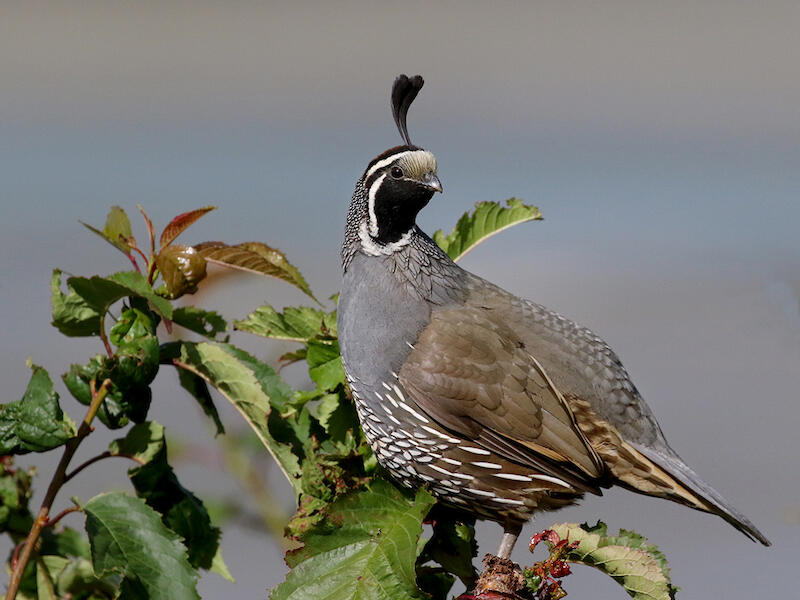
13. male – California quail + superb composition showing the bird’s position appearing to mimic the tree; with its head appearing in a similar position to the leaves. + striking detail on the bird with subtle variations of the colour evident + effective use of cropping allowing the bird to appear as important as the tree rather than as central to the photograph. -slight flatness to the dark underside of the bird’s chin is unfortunate because this is part of the focal point of the picture, the birds head. |
|
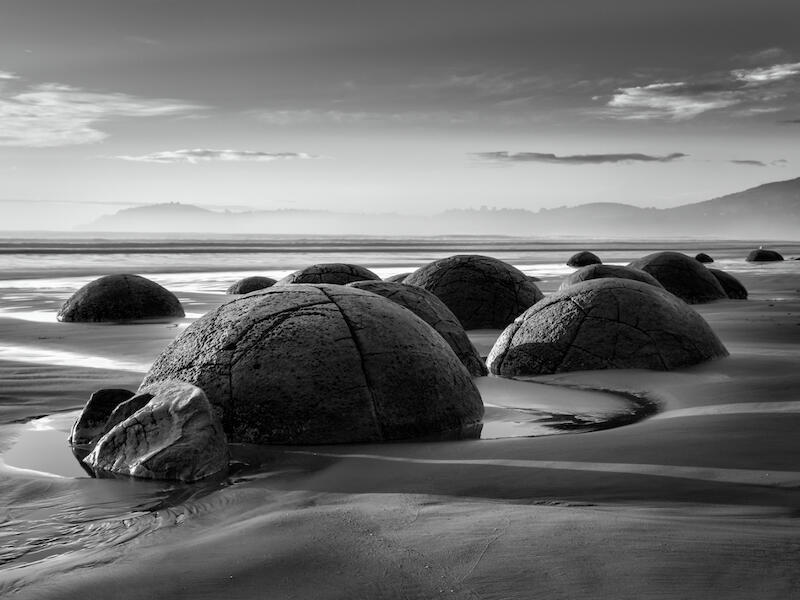
14. Moeraki Boulders (grey-coloured septarian concretions) + vast distance captured in this dramatic seascape + horizontal bands are echoed from the foreground through the photograph up to the clouds in the sky showing a unity through compositional elements |
|
15. Parahebe cheesemanii - + a compelling photograph showing the adaptability of some species to be able to proliferate in what appears to be an unconducive environment, an example of the wonders of our natural world. + the waxy quality of the pale petals captured in contrast to the darker textures of the rocks makes us want to look closely. + the way the photograph has been cropped helps us to see how special the flowers are because they are grouped abundantly in only one part of the photograph and there are none in the rest. |
|
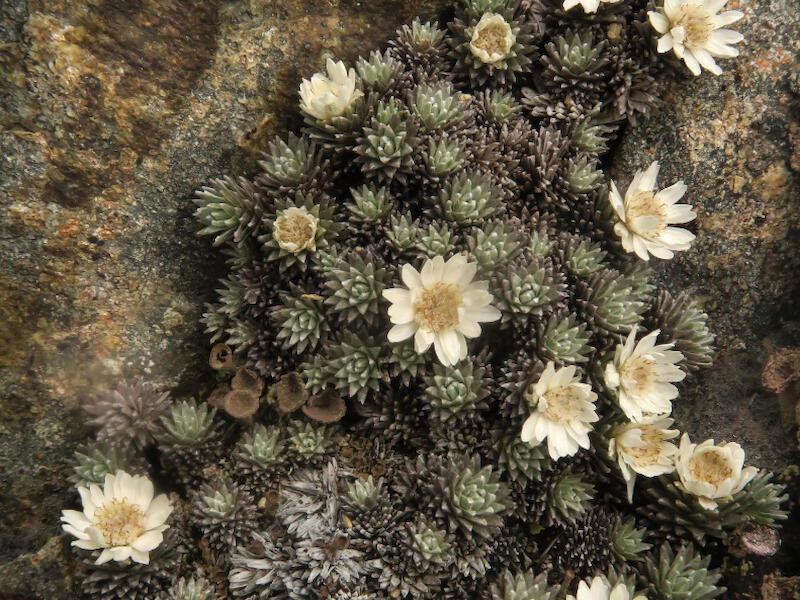
16. Raoulia grandiflora + proliferation of plant life cascading down a shear rocks face is a reminder of how fascinating and wonderful our plant world is- this is compelling subject matter. + the contrast and variation of forms is emphasised by the diagonal composition which allows us to clearly see the differences. |
|
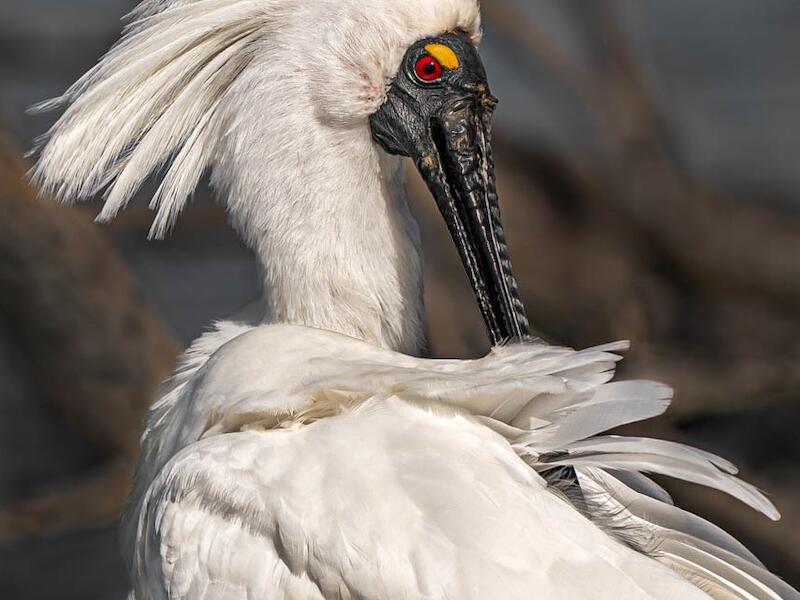
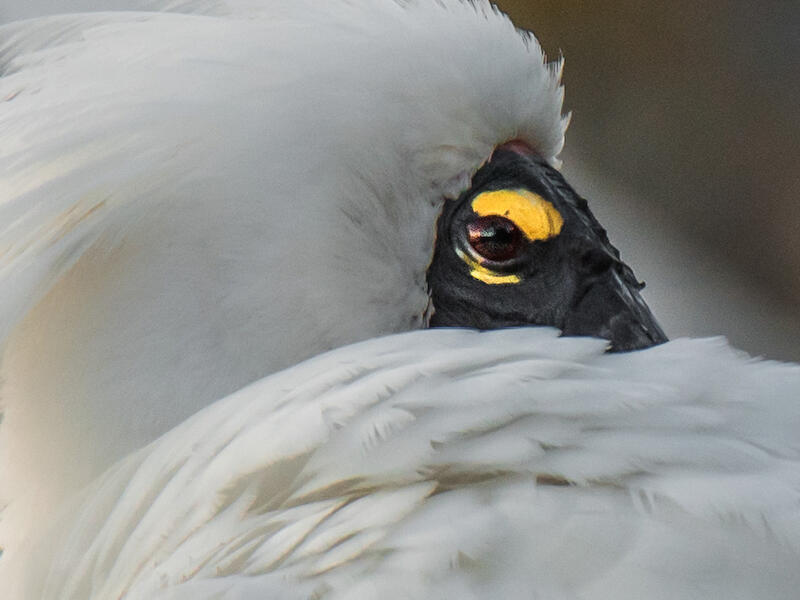
17. spoonbill + Of note is the creative cropping of this image which highlights the bird’s eye amidst the cloak of white feathers. -In nature photography it is satisfying to see a gimps of the environment of the subject. |
|
18. western-grey squirrel Here the photographer has frozen an intimate moment; we are face to face with an animal in the wild. The detail in the photograph and the composition both enable the drama of the moment maximum impact. |
|
PRINTS |
|
22. working bee + wide variety of colour and texture in this fundamental natural scene of bee and flower. -slight flatness to the yellow petals is a little distracting from the lushness of the scene. |
+ what a delightful young bird. We see the bird very clearly and its environment. -possibly more generous cropping on the side of the bird, could have led us into the main subject matter of the photograph with a more effective result. |
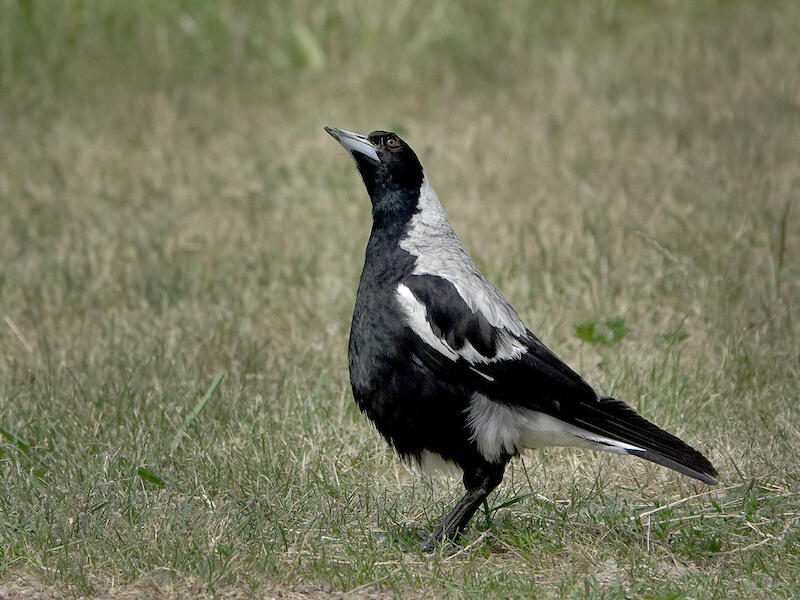
+ This is a beautifully cropped image of a magpie with extradentary detail evident on the bird’s feathers both front and back. -unfortunately, the dark area under the bird’s chest is a little flat. |
|
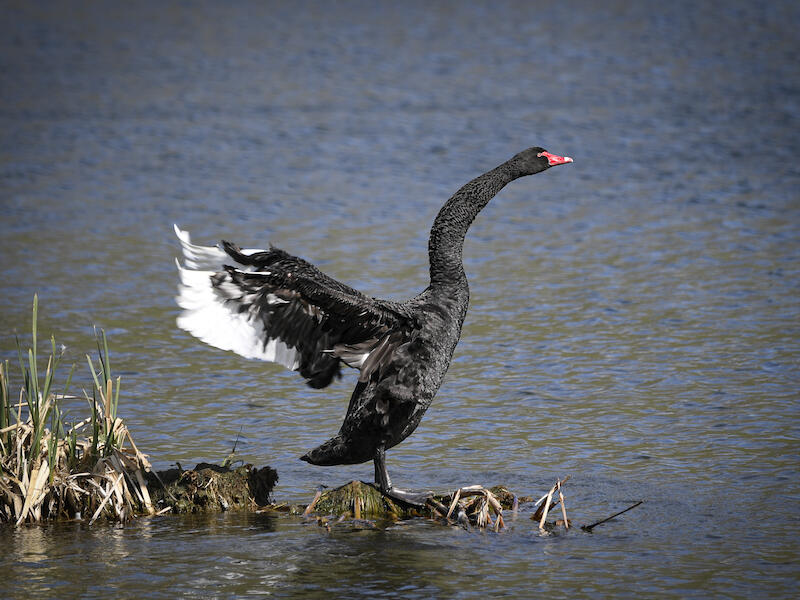
2. Black Swan - Cygnus atratus +This dramatic moment is captured breathtakingly in what appears to be the point of movement. +The ripples of the water seem to be visually echoed in the feathers of the swan. +delightful |
|
3.Gannet-re-joining It is tempting to be anthropomorphic when regarding this photograph, feeding the family. There is huge emotional appeal in this colony of gannets. +this is a dramatic image highlighting the complex interactions between birds at feeding. |
|
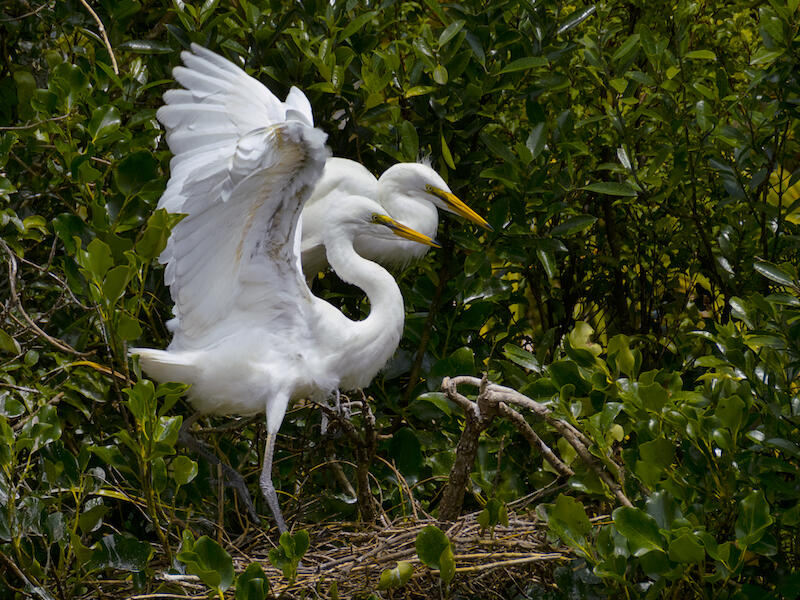
9. Kotuku on Nest + This is a sunning photograph of 2 kotuku in their natural habitat. The birds make compelling subject matter as a pair. -This photograph shows complex bird forms against a complex background with a lot of distracting small shadows. Possibly there are too many complexities here. |
+In this photograph we see the sumptuous textural forms of the morganella illuminated against a dark background. The form of the morganella is shown effectively in striking contrast to the damp rich brown background around it. + This visceral photograph highlights the wonderful and surprising life in our natural world that many of us don’t see. |
+ Here is an effective description of the royal spoonbill behaviour, as natural history viewers we are interested in how birds behave in the wild. + this is a skilfully captured slice of life. |
+This is a stunning photograph capturing a graceful and elegant bird in mid-flight. +The photograph has been expertly cropped to enhance this this captivating subject matter. |
|
MISSED |
|
10. Working Bee (this print was not included in the box with prints or as a digital reference?) Sorry no comments- because we didn’t get this print. Maybe different name on print image to name ??? – looks like the 22. working bee - 1st one. |
Share: