Judge: Roger Thwaites APSNZ
Natural History Trophy - 2 digital and 1 print OR 1 Digital and 2 Prints – 3 images in TOTAL.
Natural History Trophy - May submission - digital and print – 3 images in TOTAL.
SET Subject only. No Open - please select SET otherwise your image will be rejected and not submitted.
Digital - The best digital image (MCC trophy for Natural History Digital Images) entries may be natural history subjects from anywhere in the world.
Print - The best print image (Brian Thwaites Trophy entries must be of NZ Natural History subjects only.
Refer to the PSNZ rules: https://photography.org.nz/about/definitions/
Nature photography records all branches of natural history except anthropology and archaeology. This includes all aspects of the physical world, both animate and inanimate, that have not been made or modified by humans.
- Nature images must convey the truth of the scene that was photographed. A well-informed person should be able to identify the subject of the image and be satisfied that is has been presented honestly and that no unethical practices have been used to control the subject or capture the image. Images that directly or indirectly show any human activity that threatens the life or welfare of a living organism are not allowed.
- The most important part of a Nature image is the nature story it tells. High technical standards are expected and the image must look natural.
- Objects created by humans, and evidence of human activity, are allowed in Nature images only when they are a necessary part of the Nature story.
- Photographs of human-created hybrid plants, cultivated plants, feral animals, domesticated animals, human-created hybrid animals and mounted or preserved zoological specimens are not allowed.
- Images taken with subjects under controlled conditions, such as zoos, are allowed.
- Controlling live subjects by chilling, anaesthetic or any other method of restricting natural movement for the purpose of a photograph is not allowed.
Only scientific names, common names or descriptive titles shall be used.
Images that have been previously entered in any MCC as "Open" may be re-entered into the MCC Natural History Trophy Competition. Up to two digital entries and two prints may be submitted
Two images per medium (prints and digital images) can be submitted for a total of Three images - so a very unique opportunity.
ALLOWED SUBJECTS / EDITING RULES
- Subjects shall illustrate untamed animals, birds, and uncultivated plants in their natural habitat, astronomy, geology and phenomena not produced by man. Marine and botanical subjects (including fungi and algae) and naturalised subjects are allowed providing taken under natural conditions.
- Techniques that remove elements added by the camera, such as dust spots, digital noise are allowed. Colour images can be converted to grey-scale monochrome.
- Techniques that enhance the presentation of the photograph without changing the nature story or the pictorial content, or without altering the content of the original scene, are permitted including HDR, focus stacking and dodging/burning.
- Cropping is permitted.
NOT ALLOWED
- Photographs of human created hybrid plants, cultivated plants, feral animals, domestic animals, or mounted specimens are NOT eligible.
- No techniques that add, relocate, replace, or remove pictorial elements. Stitched images are not permitted. Infrared images, either direct-captures or derivations, are not permitted.
Jan 2022 - there has been two significant changes to the PSNZ rules. The following are NOW allowed:
- ZOO animal long as not domestic
- Man-made objects if necessary for the image.
PSNZ Current Rules https://photography.org.nz/about/definitions/
Open
Set Subject
Marlborough Camera Club NATURAL HISTORY.
Judged by ROGER THWAITES APSNZ.
GENERAL COMMENTS: Lack of sharp focus and Depth-of-Field were some of the major problems. It is extremely important to get nature images in sharp focus. Be aware of the limitations of your lens. As the magnification of your subject approaches its maximum, the sensitivity decreases. Learn all the foibles of “Depth of Field” and how different lenses are affected by it. “Natural History” is as much about the titles, as the subject, so it pays to use “Common names” or “scientific names” and/or both. “Cute” titles are a no-no!
It might seem that I am overly critical about some things, but I can assure you that it is not personal, but rather a way of teaching you about how to go about getting the best out of your nature photos.
Wishing you all the best,
Roger.
____________________________________________________
DIGITAL
Alpine Gentian (Gentiana bellidifolia): Nice grouping of the blooms. and sharp with well-defined detail. Resolution is important with Natural History images (especially with close-up and macro images) Check out the fine definition of “The Bee on Flax” (1556)) ACCEPTANCE.
An Aged Apis midlifera: Good colour of the flower but the overall darkness of the image doesn’t show the definition of the bee that well. I wondered whether the white flower affected the exposure (especially if the camera was set to “Auto”). Narrow depth-of-field can also affect your image. NOT ACCEPTED.
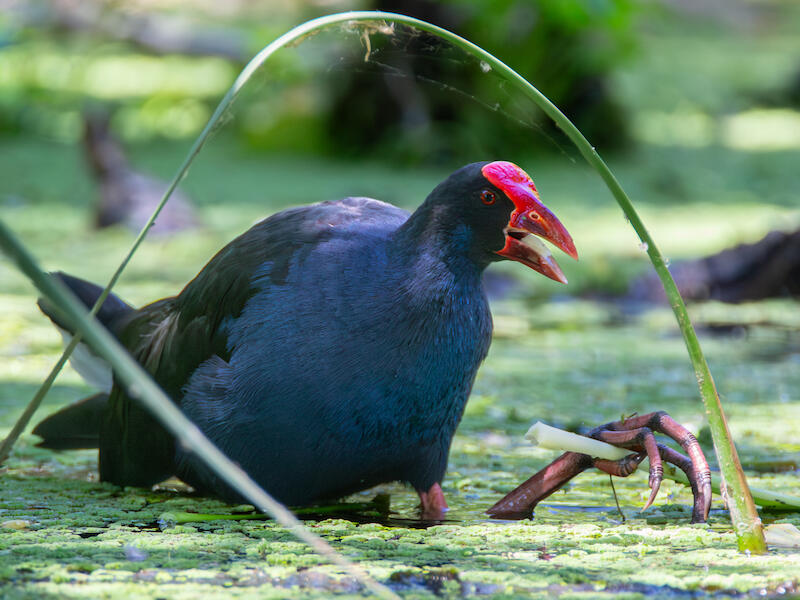
Australasian Swamp Hen, Pukeko, (Porphyrio melanotus): Sharp focus and great colour. The curved reed framing the bird, adds an interesting dimension. The out-of-focus background has a few dark shapes which are slightly annoying, and the title is a bit long-winded. Apart from that, a good nature image. MERIT.
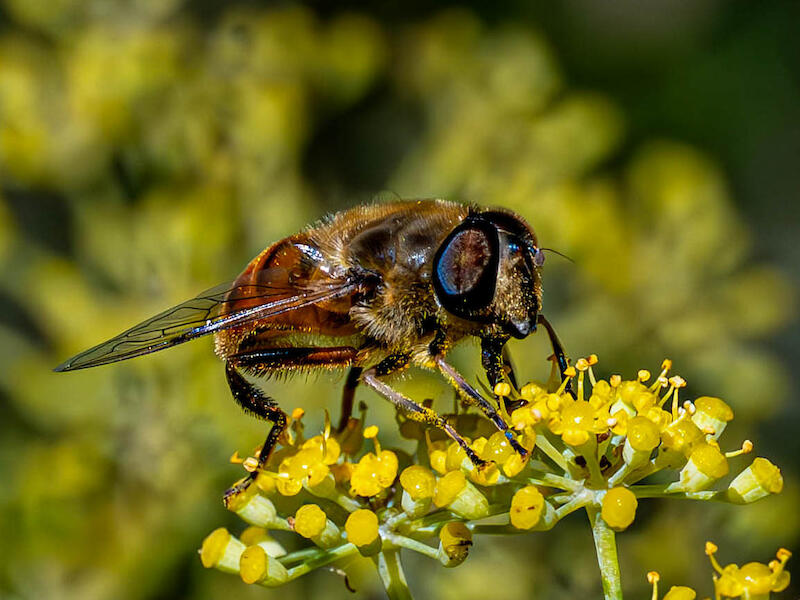
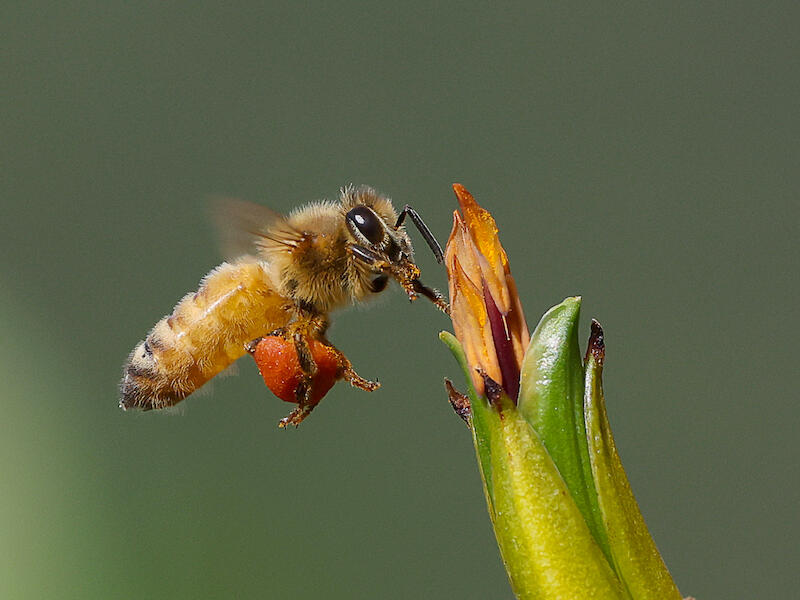
Bee on Flax: Very sharp focus, and great colour. The fine detail adds to the excellence of this image. The wings are working hard to carry the load of pollen. The neutral coloured background is well-suited to this image. (The best Bee photo that I have seen in a long while!) HONOURS.
Beech Strawberry Fungus (Cyttaris gunnii): A good record shot of the species, but it needs a bit more attention to the composition. The focus is good and it shows the fungi in its various forms, but it needs a stronger focal point. The background is fairly busy, with the foliage competing with the subject. With a bit more thought, this has the potential to be better than a Record shot. ACCEPTANCE.
BLACK BILLED GULL BATHING: While I quite enjoy the mono look I thought the awkward looking composition was unusual and difficult to make “head or tail” of. The smudgy black spots in the background, unwittingly drew my eye, and were too much of a distraction to ignore. The wing sticking up, and the water washing over the gull, did provide a point of interest though. NOT ACCEPTED.
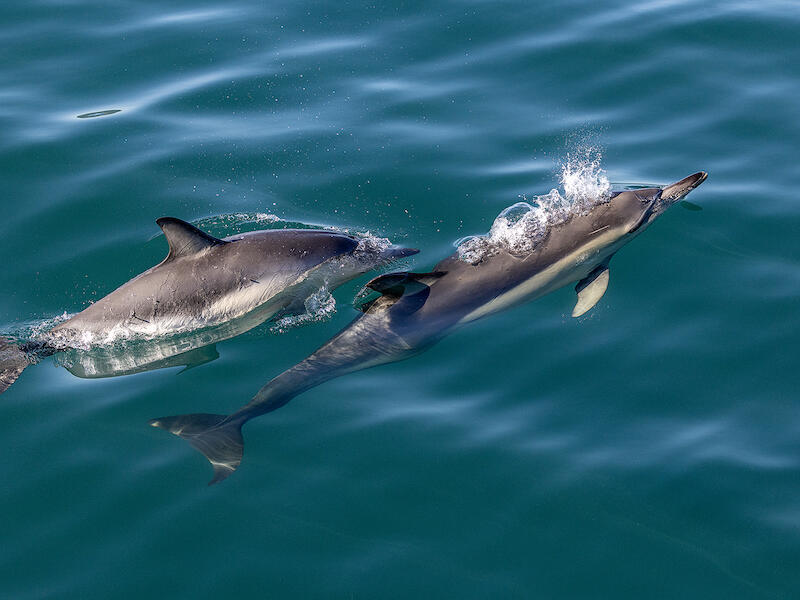
COMMON DOLPHINS: An excellent example of dolphins swimming. The image has good detail and colour, and is well composed. The bubbles were an interesting focal point, catching the moment at just the right time. The angle of the dolphins in the water and the framing of them, added much to the strength of the composition. Well done. HONOURS.
DOE and FAWN: I like this image as a nature shot but I felt that it was unsharp in places - the focus seemed a little on the soft side. Its a lovely shot of the fawn suckling, but I felt that the movement of the grasses were a little bit unusual. ACCEPTANCE
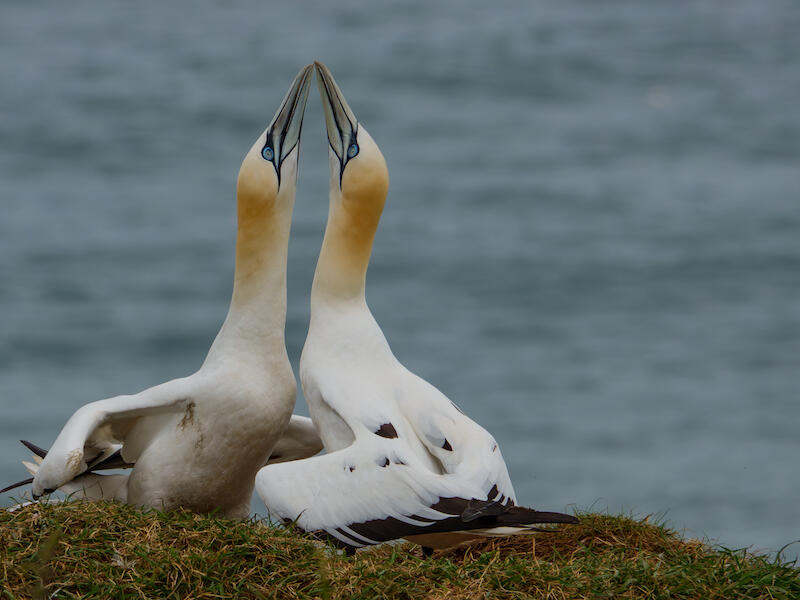
GANNETS (Morus bassanus): The interaction between the two birds is interesting and could be a mating ritual? Sharp focus and good definition. The moment in time, shows an interesting stance of the birds. Good to see the neutral background. Well done. MERIT
Gentian (Gentiana bellidifolia): A good example of the blooms of this alpine plant. I like the grouping of the flowers and the framing of the image. The grasses in the background tend to be competing with the flowers (I think because of the effect of the bright sunlight). Pictures like this, seem to be better in flat lighting. ACCEPTANCE.
JELLY DROPS FUNGUS (Ascocoryne sarcoides: Interesting fungal forms, perhaps still in their formative stage. If the title is correct, they develop into pink or purple jelly discs, and in large groups. These ones could do with some reflected light to get a better effect. ACCEPTANCE.
KEA (Nestor notabilis): These birds have spectacular colours underneath the wings, but I think this bird tires of the photo-shoot! Not a very interesting pose, I’m afraid. However good detail of the plumage and sharp focus. NOT ACCEPTED.
KOTUKU IN FLIGHT: The wing feathers are well defined with the light making the feathers show strongly. Sometimes, flatter lighting can be a better option for this type of image. Sharp focus and a good pose within
the frame, and an interesting image. ACCEPTANCE.
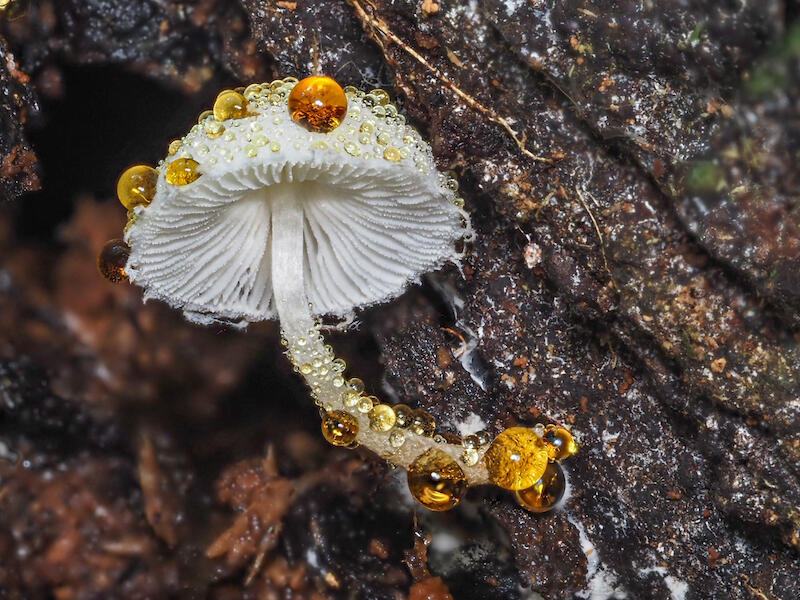
Leucoagaricus Sp. WITH GOLD GUTTATION : Most fungi can be considered as still life, but occasionally a really good image comes along like this one. The Cap, the Gills and the Shank are all visible in the picture, with the extras being the gold droplets (guttation). The detail is sharp and colourful, and the image is well composed within the frame. Excellent fungus image. HONOURS.
Miomatis caffra MATING IN THE RAIN: Excellent detail of the insects, and I love the way the drops of water glow. These insects are African imports, and they attack Monarch Butterfly caterpillars (Even the male mantis is killed by the female and eaten!) Oh dear! What a life! Good nature image. MERIT.
NEW ZEALAND GRASSHOPPER (Phaulacridium marginale): The detail of the head is well and truly enlarged within the whole frame (the head is all that is sharp in this image. I would venture to say, that I think the magnification has been overdone, and the depth-of-field is very narrow because of it. (The yellow background is not the most complementary of colours). NOT ACCEPTED.
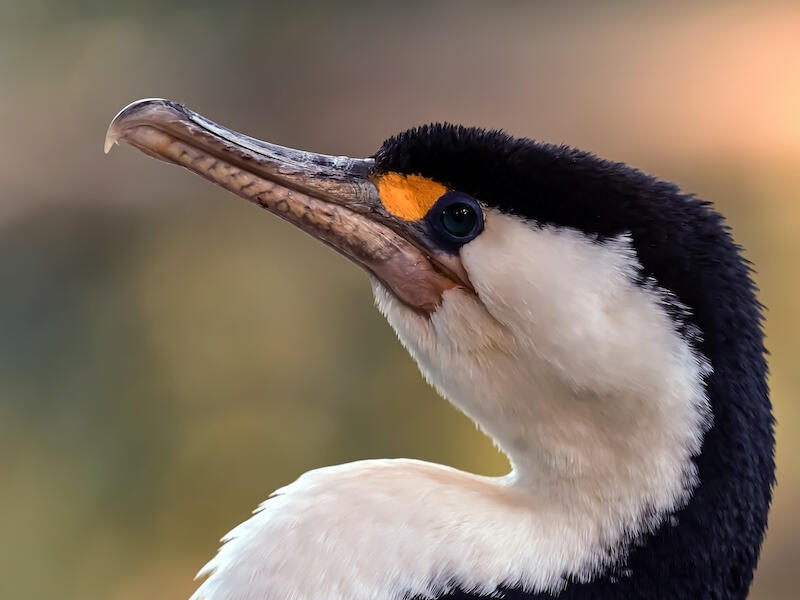
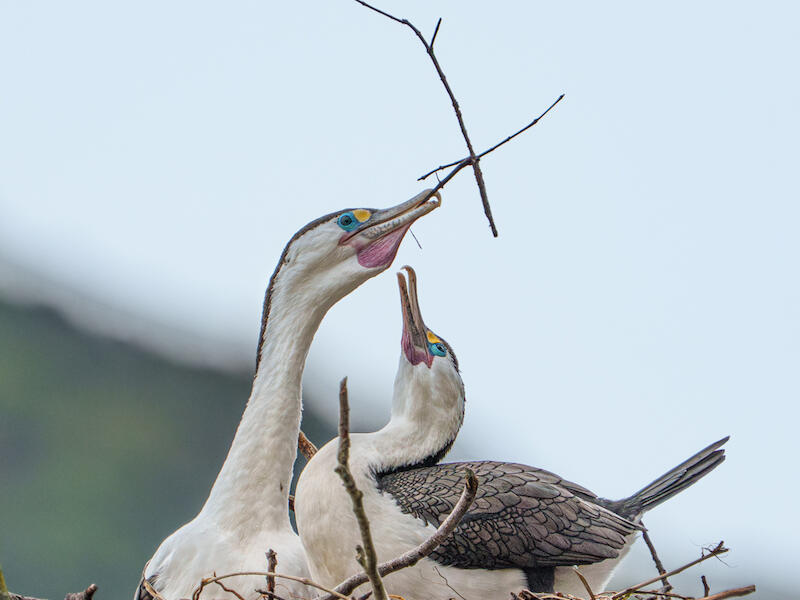
PIED SHAGS NESTING: A shags nest is most untidy with sticks of all shapes and sizes, placed in a “willie-nilly” fashion. A very good composition, although the dark shape of the hill in the background, intrudes somewhat, but it is a very sharp image and shows the birds in “construction” mode. MERIT.
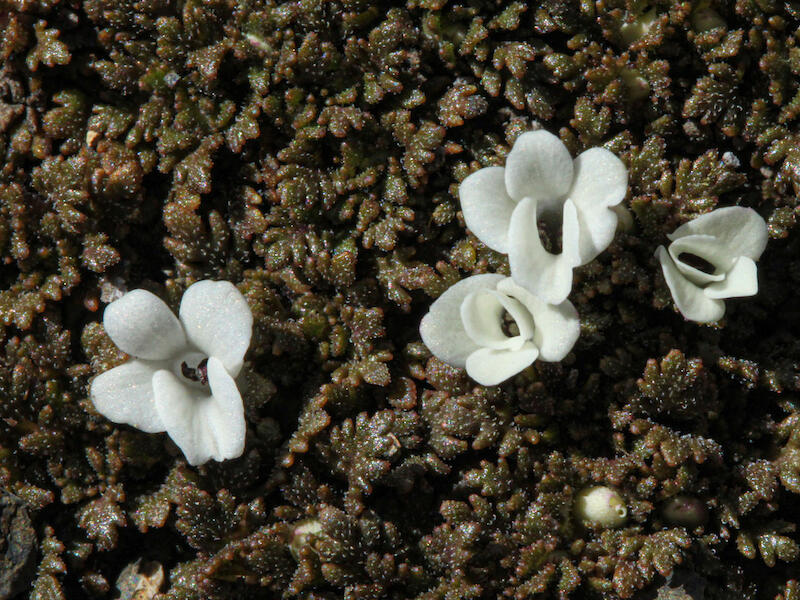
Veronica cheesemanii: Veronicas are a delightful alpine flower (They look like delicate china). This pic shows the pure whites of the flower on the cushion-like vegetation. A better-than-average record shot, which is sharp in focus, with good definition. Nice close-up shot. MERIT.
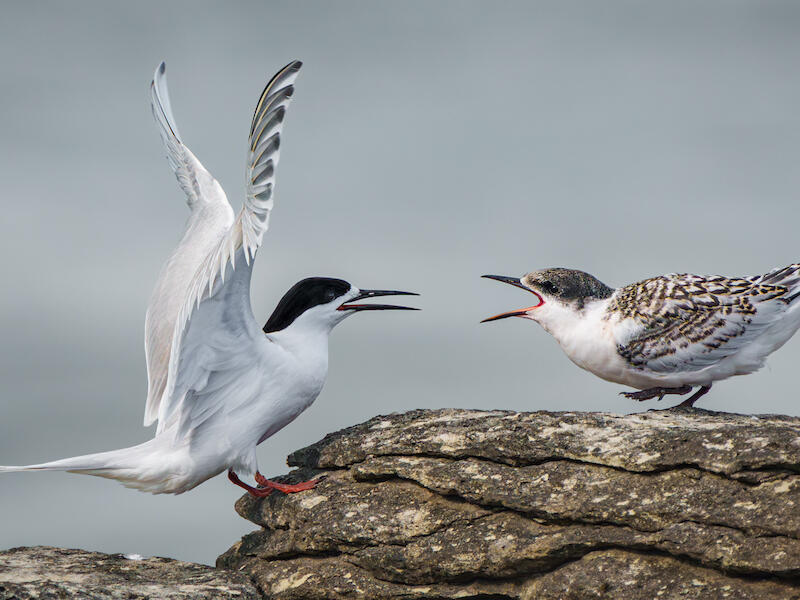
WHITE FRONTED TERNS: A nice clean shot of the adult bird and the chick. The two birds are well positioned in the picture with good interaction between the two (Just look at those sharp beaks!) A well composed and excellent nature shot. (looks like Punakaiki?) HONOURS.
A TRIUMPH OF ENGINEERING AND DESIGN - THE NEST OF THE HUMBLE BLACKBIRD: Yes indeed! About titles: Keep them short and sweet and to the point! (Be aware of using “cute” titles.) An interesting looking nest but the dark centre has no eggs or chicks (the very thing that adds interest to the picture). I will give you this though: It is in very sharp focus and there is alot of interesting detail. ACCEPTANCE.
AUTUMN STARLING: The the starling is well caught in flight and poses the outstretched wings well. The bird is overtaken by the strong background tree (which looks like a Phoenix palm). The bird is just a wee bit on the small side, within the frame. Unfortunately, the tree competes and is the major part of the picture. NOT ACCEPTED.
BELLBIRD ON FLAX: The body and head of the Bellbird is sharp, but the rest of the bird “tails” off into “no Man’s land”. The flax flowers are prominent and colourful, but the horizontal position of them , does not make for a strong composition. You have got all the right elements to make a strong image, but it is up to you to get the best out of it. ACCEPTANCE.
CANADA GOOSE TAKING FLIGHT: A near-to silhouette shot of the goose (of which, it is difficult to make out the detail and colour) It doesn’t help, that the bird is quite small within the frame, (being a Landscape profile). The clouds are probably the most interesting part of the image. NOT ACCEPTED.
KEA: The out-stretched wings show the beautiful colours and patterns of them, but the picture appears to be a little dark. One step more light is all it needs to make the colours really stand out. The detail of parts of the bird are almost lost, which is a great pity. (Makes me wonder if the camera was set to auto exposure?) ACCEPTANCE.
NZ PIPIT: The composition is not that clear, but the bird looks to be preening. Some parts show good detail and colour, but the very busy background has alot of distracting stuff going on. (Backgrounds can either ‘make’ or ‘break’ a nature image, so always be aware of what is in them). NOT ACCEPTED.
PUNAKAIKI PANCAKE ROCKS: These rocks are a real art form, but I’m not sure about the man-made stairway leading to the stone wall. I suppose you could say that it is all part and parcel of the scene. The rocks are mostly in sharp focus, and have strong natural ‘pancake’ patterns. Interesting image. ACCEPTANCE.
PIED SHAG (Karuhiruhi): Very sharp definition with good colour. The detail of the shag’s ‘kinky’ neck and head are very well shown, against a mostly neutral looking background, except for the flare of light (top right). It does draw the eye! MERIT.
ROBBER FLY: The eyes are sharp but not much else is. I think you are right at the limit of your lens, which makes the depth-of-field very narrow. A pity, because the robber fly has quite stunning colour with very pronounced hairs on the legs and body. (The male being more colourful than the female). But, the difficulty comes with getting a sharp image, and this requires quite some skill. NOT ACCEPTED.
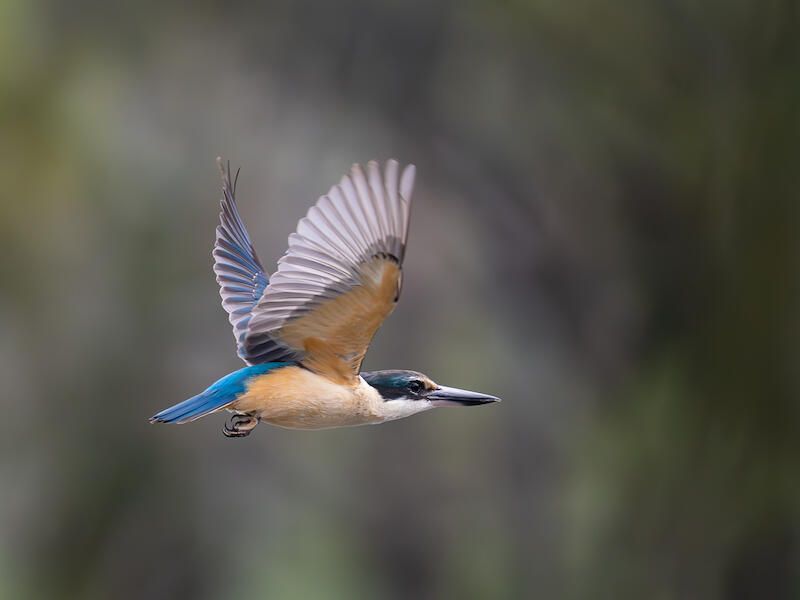
SACRED KINGFISHER (Kotare): Beautifully sharp, and shows the colours to perfection. The pitch of the wings are well caught, and the head is the shape of a dart - especially built for diving on unsuspecting prey. The neutral grey background works well with this picture. Good capture. HONOURS.
SOUTHERN GREEN STINK BUGS Not much depth-of-field, but the bugs are mostly in good focus (which includes legs and feelers). The out-of-focus leaf is a little bit annoying, with a light coloured curve running along it. (Sometimes out-of-focus backgrounds can become unwanted distractions). Good colour of the bugs. ACCEPTANCE.
TOREA: The action of the bird running across the rocks, with its wings out is well caught but the bird on the left isn’t that sharp (and it needs to be). Then the out-of-focus rocks in the foreground catch the eye. I have said it before: Most important to have the foreground in sharp focus, otherwise it becomes an unwanted distraction. ACCEPTANCE.
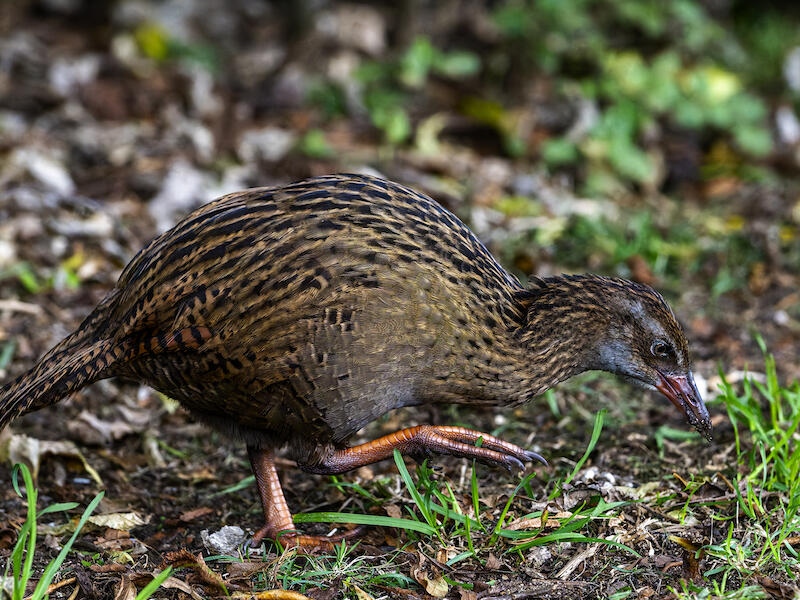
WEKA: A very sharp and colourful portrait of the Weka. A good pose of the bird with one foot forward and off the ground as it creeps along quietly looking for insects or berries, etc. to eat. The background tends to act as camouflage. Strong nature image. MERIT.
AUSTRALASIAN HARRIER: The speckled brown feathers on the chest are well shown. Only the top half of the bird made up this portrait, so I felt that the composition was incomplete and only telling half the story, and had me wanting to see more. NOT ACCEPTED.
BLACK FRONTED TERN: A sharp image of the Tern flying, but bright lighting has thrown a shadow over the near wing. This shot might have been better in flatter light? The image needs a bit more life and a better composition to be a stronger nature shot in this competition. NOT ACCEPTED.
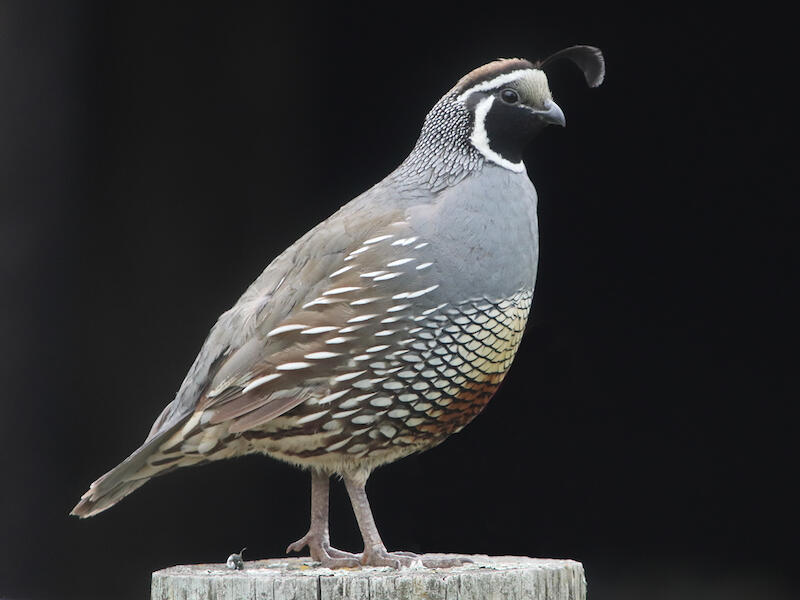
MALE Callipepia californica: (I have this as being: Lophortyx californicus). The pose on top of the fence post looks like a trophy, but the “dropping” gives away the whole show! The wonderful colours of the male bird radiate sharply in this image. Great pose, but why would you shoot them with a gun! MERIT.
Cyathodes juniper DRUPES: While the red berries of this shrub look to be sharp, the narrow depth-of-field says otherwise. Maybe the extreme focus of Close-up/Macro has played a part in what I see as soft focus, but, it is a likeable image showing a different view of this native plant. ACCEPTANCE.
FOREST FUNGI: Yes, so it is! But, you could easily researched the species and named it accordingly: Common Name - “Scarlet Flycap”; Scientific Name - “Amanita muscaria” . The small fungus is in sharp focus, but the large one is not sharp, and it needs to be. The resolution does not look all that good either, and there are a few noticeable distractions, but the composition is good. NOT ACCEPTED.
I SEE YA: Probably, this is a Pied Shag. The head looks to be in sharp focus, but much of the rest of it, isn’t. A lot of nature photos depend on good Depth-of-field. I suggest that you take time to learn all about it. It is a skill that will stand you in good stead for future Nature shots. This is Natural History, and “cute” titles are not acceptable. NOT ACCEPTED.
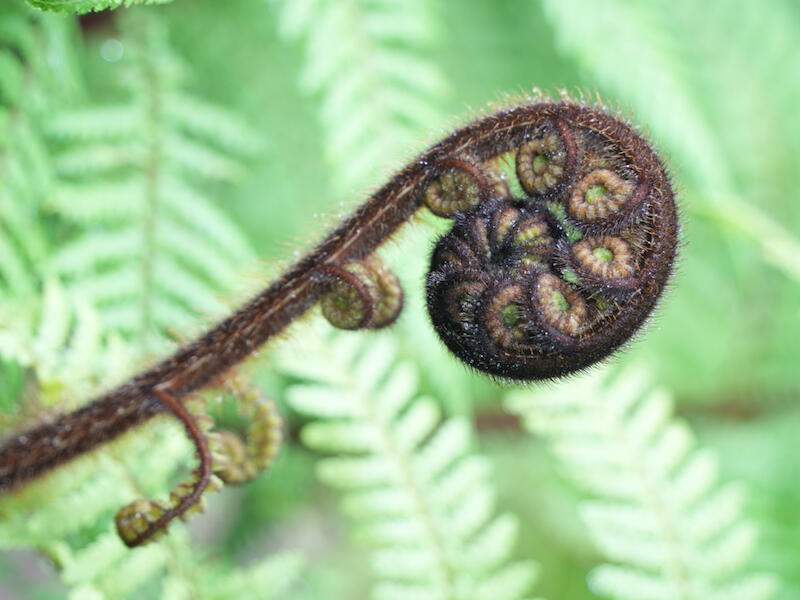
KORU: This composition works quite well. In the main, the Koru is in sharp focus, with a good lead-in from the left. The background display of soft green fern fronds, adds a nice touch to this image. The tiny hairs (or whiskers) are essentially sharp. It is a bit abstract looking, but a nice display of the Koru. MERIT
MONARCH CATERPILLAR: Good sharp definition of the caterpillar, and it shows the host Swan plant well. The striped colours exhibit a strong display. Monarch Caterpillars, from time to time, are victims of Ichneumon and Asian Paper Wasps, and African Praying Mantis species. A good example of the Monarch Caterpillar. ACCEPTANCE.
NEW ZEALAND ROBIN: These birds spend a lot of their time listening and looking for insects in the leaf mulch, and this one is listening intensely. while the Robin looks to be in sharp focus, so too is all the background, which lessens the impact of the bird, in the picture. (It merges too much, with the background.) NOT ACCEPTED.
NEW ZEALAND ROBIN 2: A good portrait of the Robin, although it is a bit small in the overall picture. (Try not to enter a similar picture in the same competition as it leads to comparisons being made). Good separation of the Robin from the background. Robins are better photographed on low branches as they don’t merge with the background so much. ACCEPTANCE.
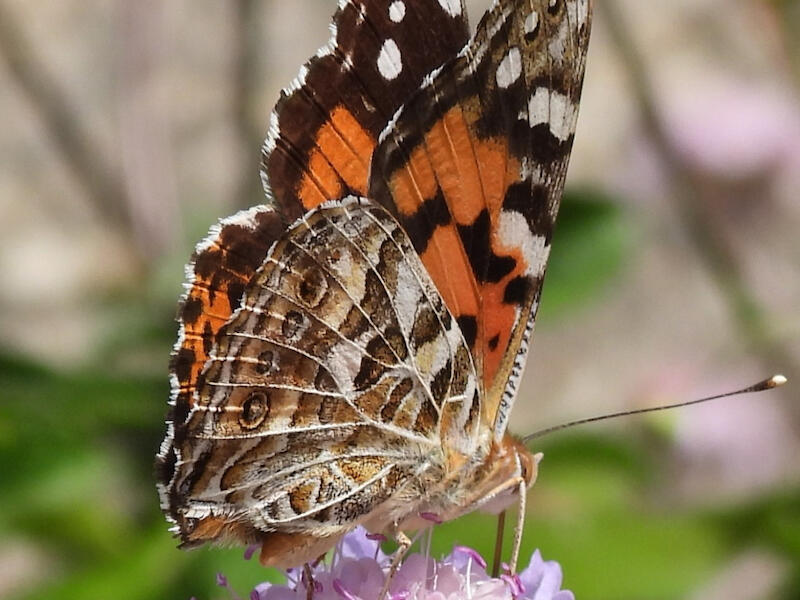
PAINTED LADY: Sharp focus and brilliant colours of the butterfly. Even though it is not an endemic of NZ, it gets here driven by strong northwest winds. The background is a bit busy, but the butterfly has good separation from it. Delightful patterns - nice nature image. MERIT
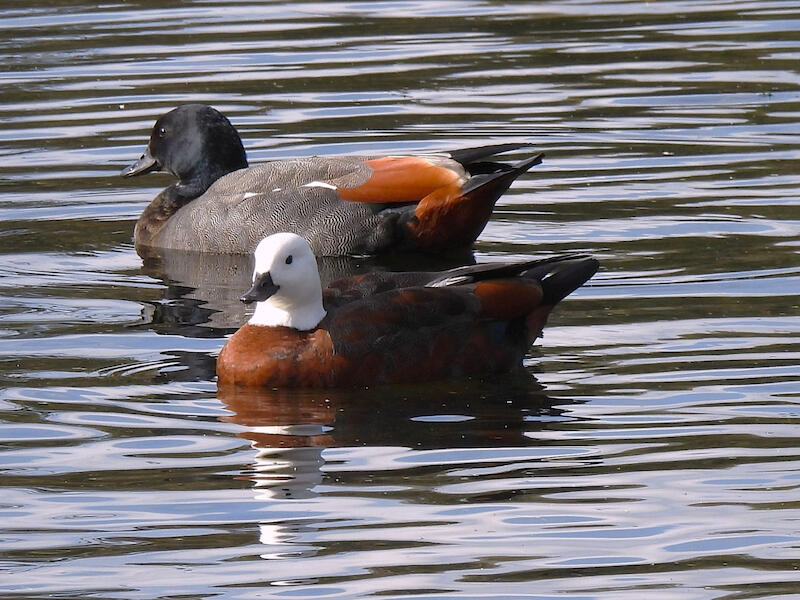
PARADISE SHELDUCK: Beautifully sharp and colourful. Shows the plumage of both male(rear) and the female(front). Perhaps the female is a bit on the dark side. I like the way the ripples compliment the image. Nice nature entry. MERIT
RED DAMSELFLY: The Damselfly and its shadow are well displayed, but I felt that the bright leaf it was resting on, diminished the composition somewhat. Good colour and definition of the insect (and I loved the shadow!) The background is a bit busy, but on the whole, a good nature photo. ACCEPTANCE.
WETA: The Weta being stationary, doesn’t create a lot of viewer interest, but does have great colour, and for the most part is in reasonably sharp focus I felt that the splash of water in the foreground was somewhat distracting, otherwise a good record shot of this insect. ACCEPTANCE.
ATLANTIC PUFFIN: Shown as a Print but listed as a Digital. (judged as Digital). Good colour, but the out-stretched wings are a bit scruffy looking. Fairly static pose - more of a record shot, I think. (This doesn’t come across as a strong nature shot). ACCEPTANCE.
PRINTS:
Circus approximans: The out-stretched wings shows the colours and patterns of this bird, really well, but I felt that the image was not very sharp. (Whether it is the movement, or the resolution, I don’t know. However, the bird is well posed within the frame, but I don’t know that the white strips (top and bottom) do anything for the image. ACCEPTANCE
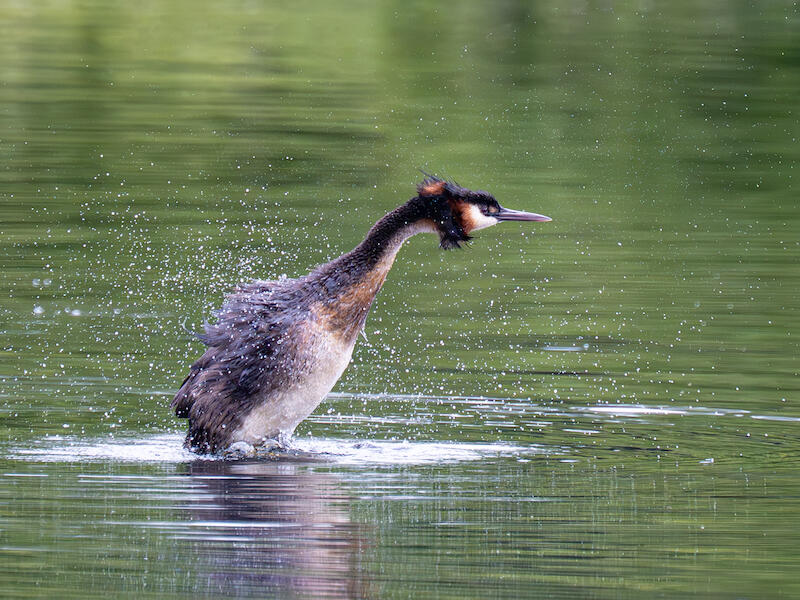
AUSTRALASIAN CRESTED GREBE: These birds are real characters, when running across the water. The action is well-caught with the splashes of water adding plenty of interest. The C.Grebe contrasts well with the neutral background. An excellent nature-action shot.
[ The Mat window looks like the corners have been chewed - you need to be aware that the mat is an integral part of your image]
HONOURS
HONEY BEE: Good placement of the Bee in the frame. Strong composition and colour, but I felt that the Bee looked a bit distorted. (Could be narrow depth-of-field, or over-saturation, or both). The bee has a strange look in its eye! Anyway, it is the composition which “wins” the day! MERIT
MEERKAT: A typical pose of the Meerkat but probably taken with a telephoto lens, and this has caused the depth-of-field to become very narrow or lost altogether, as very little of the image is in sharp focus. Very important to have Nature subjects in sharp Focus. NOT ACCEPTED.
ARGYLE POND CONIFER: I like the mono effect. With Natural History, if you can, it pays to research the name of the species, and use it as the title. (Titles in Nat. Hist. are nearly as important as the subject matter itself!). I would say that this is a species of Cypress. Good mono shot of the tree at the water’s edge. ACCEPTANCE.
CARPET HEATH (Pentachondra pumila): A good record shot of the species showing the berries and flowers at the various stages of growth. Parts of the foreground and background are out of focus, which points to a narrow depth-of-field. A stronger composition is needed here, if the image is to succeed. ACCEPTED,
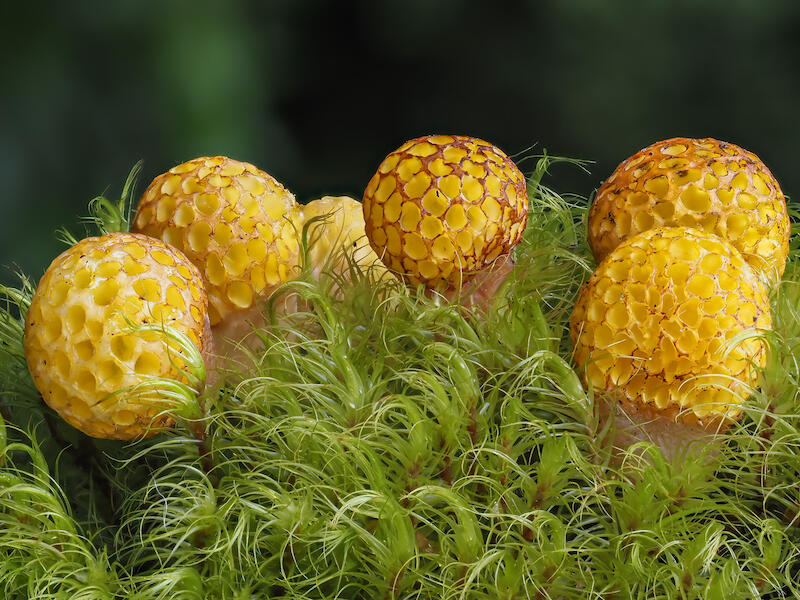
Cyttaria gunnii: Good grouping of the fungi fruit-bodies (But I think that maybe they have been set up and are not natural). However, only the photographer will know! The fruit-bodies are prominent wth good detail, colour, and composition, and nesting in among sphagnum moss. MERIT
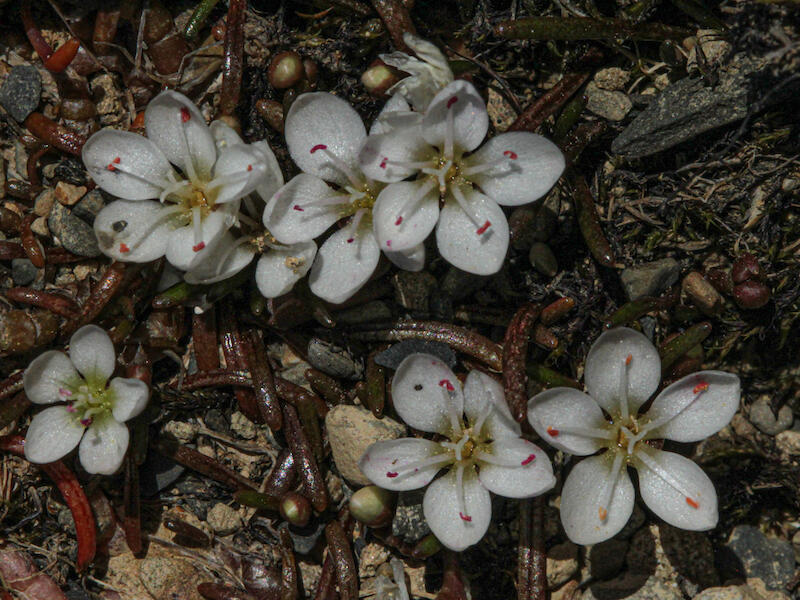
Montia angustifolia: I like the grouping of this species. The picture is sharp with fine definition - an alpine image with a lot of appeal. Only thing is, I don’t think this is Montia Angustifolia. If you google Montia A, the flowers are white. With your image the stamens are resting on the petals, and the tips of the stamens are pink. I have a picture of the same species, but am unable to find it to give you a name. MERIT
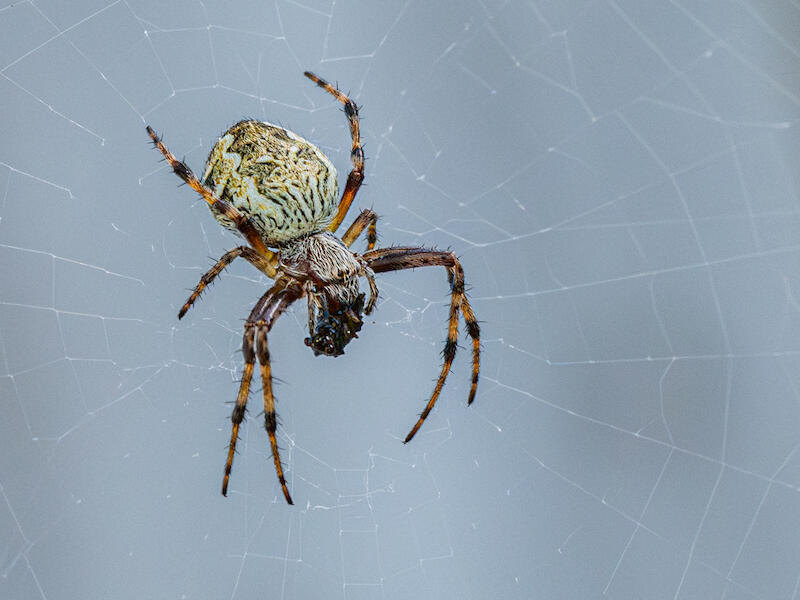
ORB WEAVER WITH PREY: Sharp focus, and colourful. Nicely composed within the frame. Interesting patterns of the spider, and the fine hairs on the legs are well displayed. An altogether excellent nature image. HONOURS.
POWELLIPHANTA EATING FUNGI: Shows the colours well, but not sharp in places, which is no wonder, because you have taken this small species of snail, and enlarged it to 4 or 5 times its normal size! So it stands to reason that the depth-of-field will suffer. The other thing is, it is not Powelliphanta. Its common name is Zebra snail, and it is a native. (Powelliphanta is a group of large carnivorous land snails) The picture does have some appeal though. ACCEPTANCE
YELLOW ADMIRAL, KAHUKOWHAI (Vanessa itea): The basic colours are there, but are faded and mostly out-of-focus with chips out of the wing. Sorry to be so critical, but just imagine this butterfly in beautiful sharp focus plus with great fresh colour? I will give you this though, the butterfly is nicely placed and composed within the frame. NOT ACCEPTED.
Share: